banner

Category: Uncategorized

Growing Greener, Together: KMC Solutions Plants 6,000 Trees in the Sierra Madre

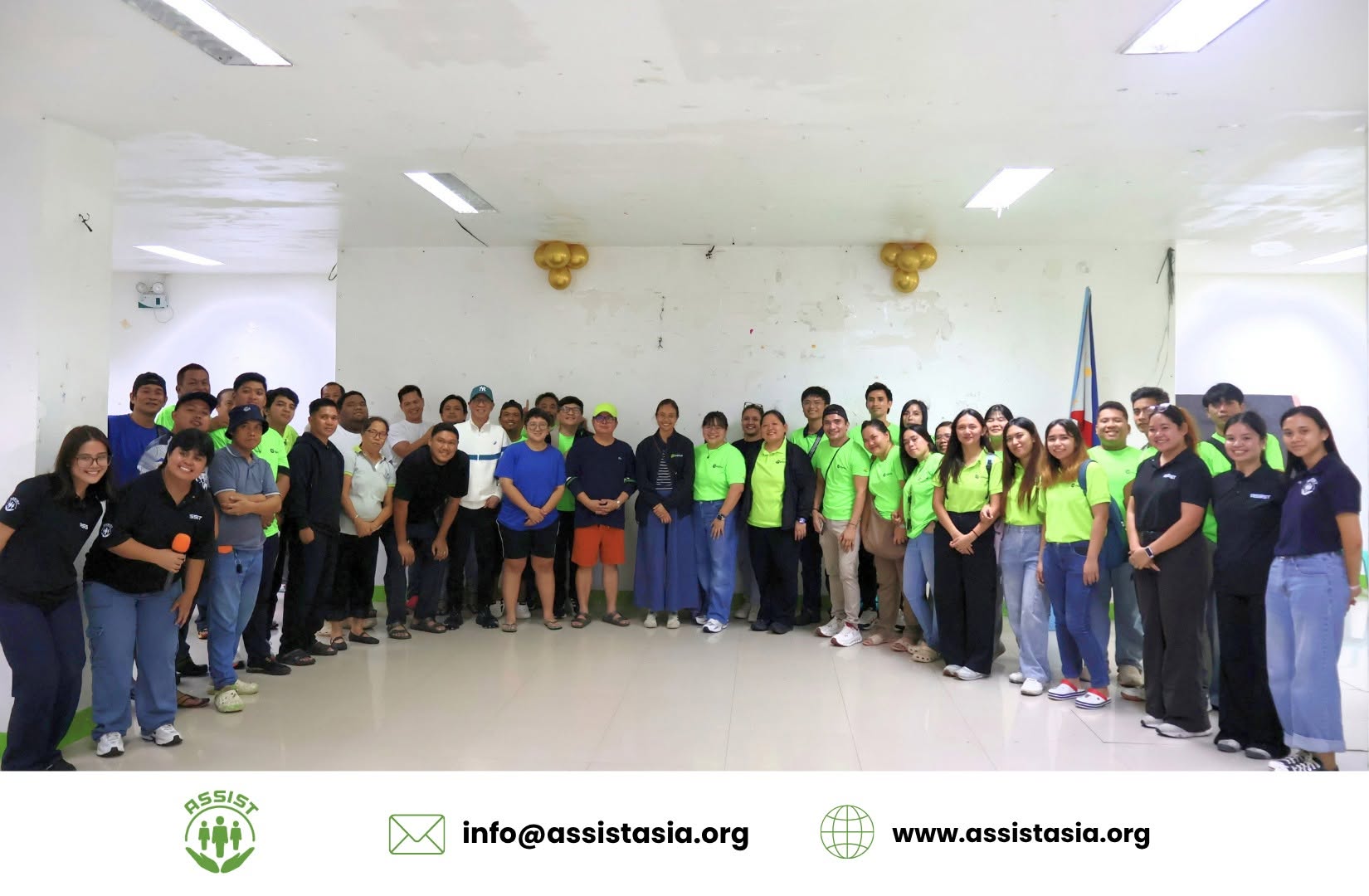
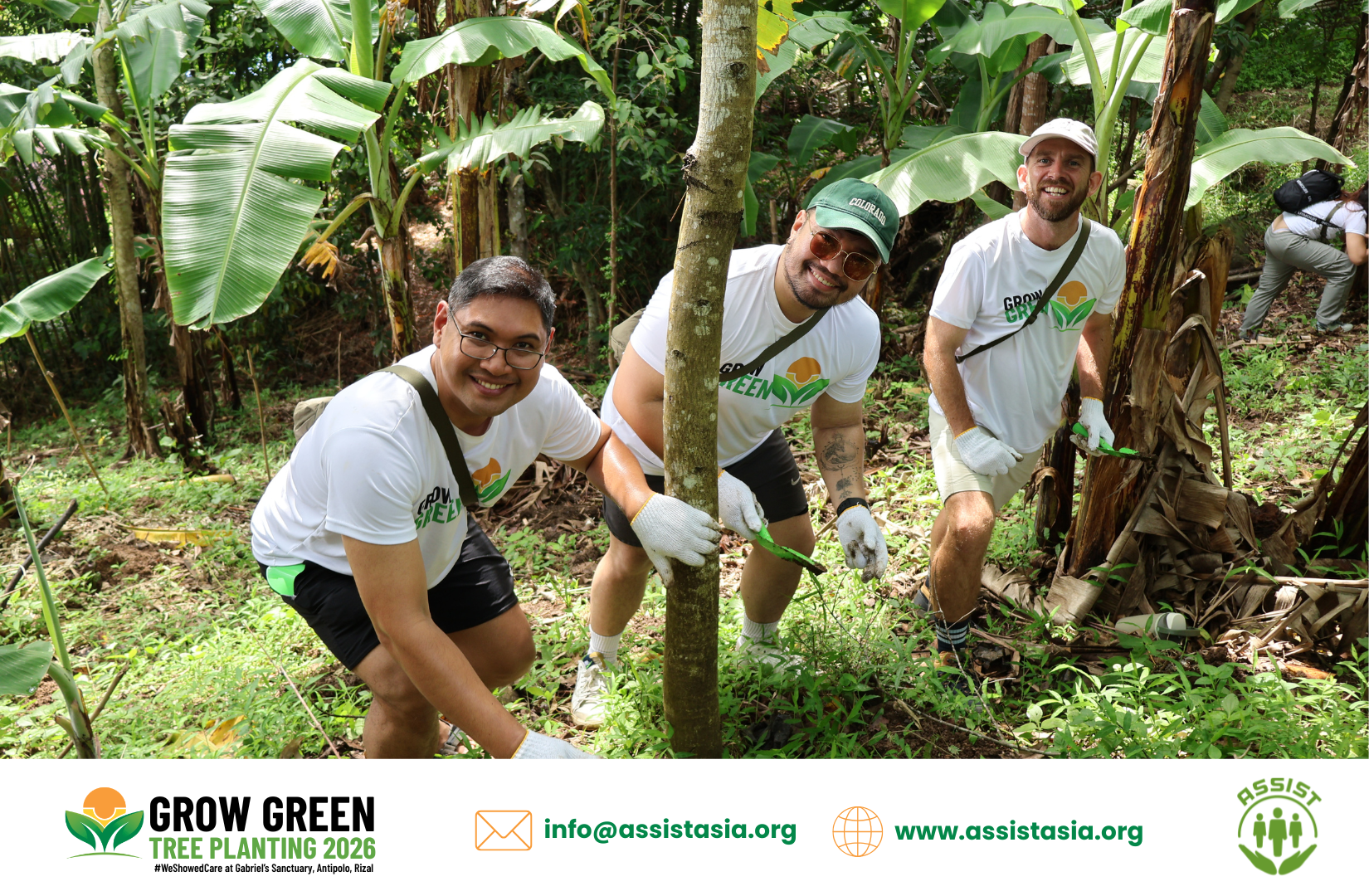
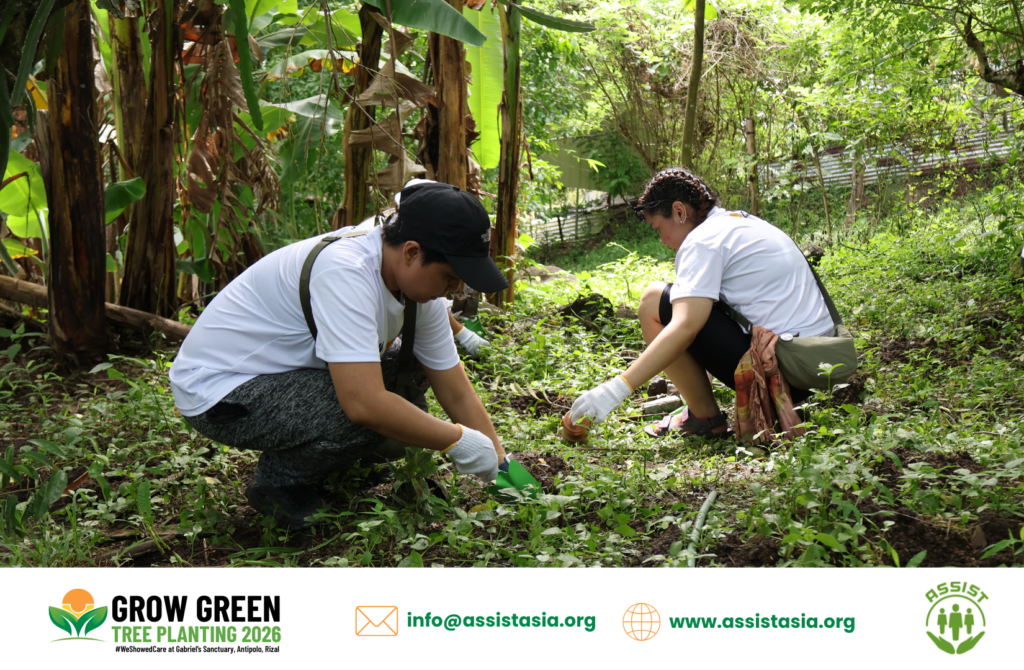
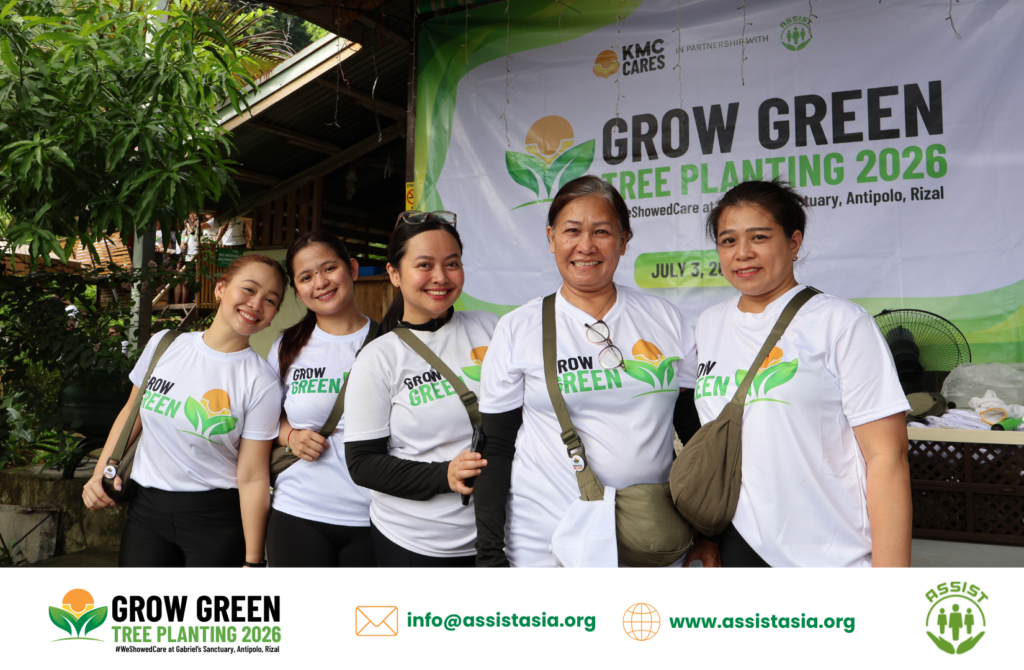
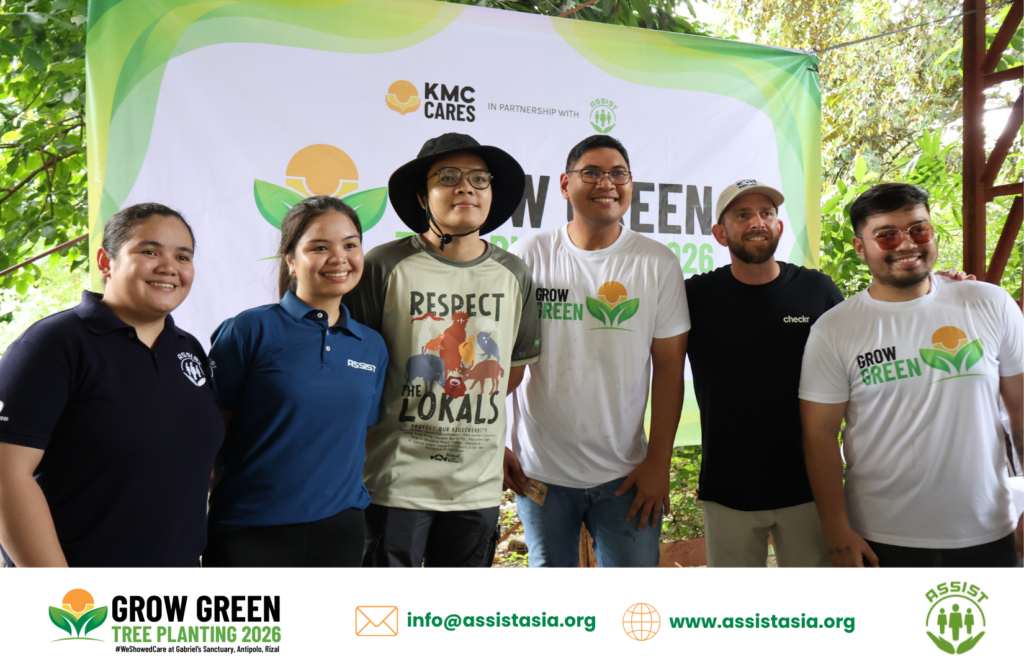
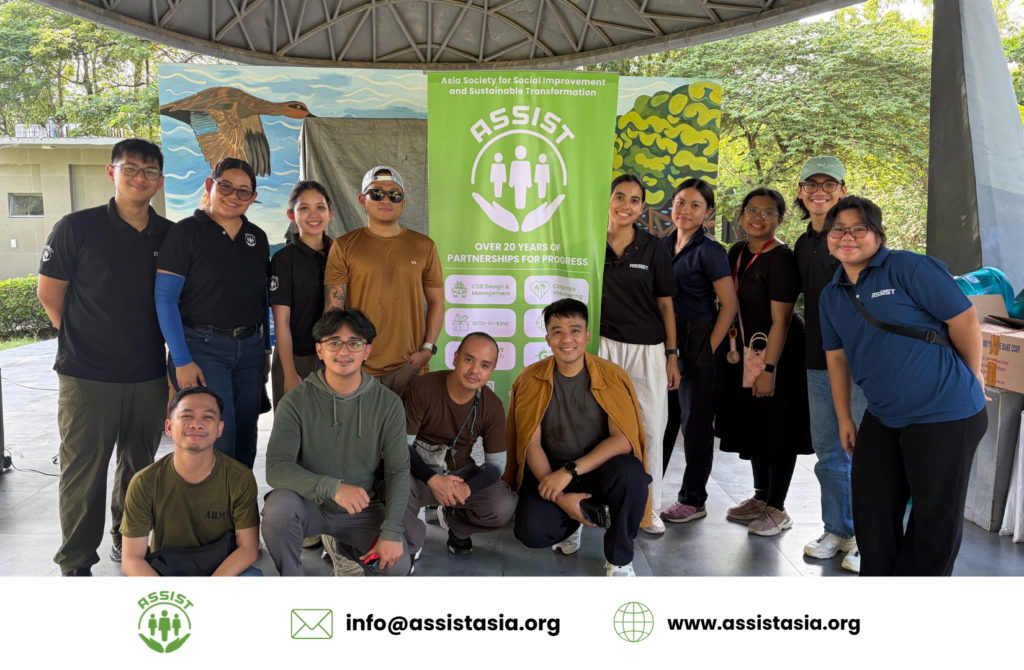
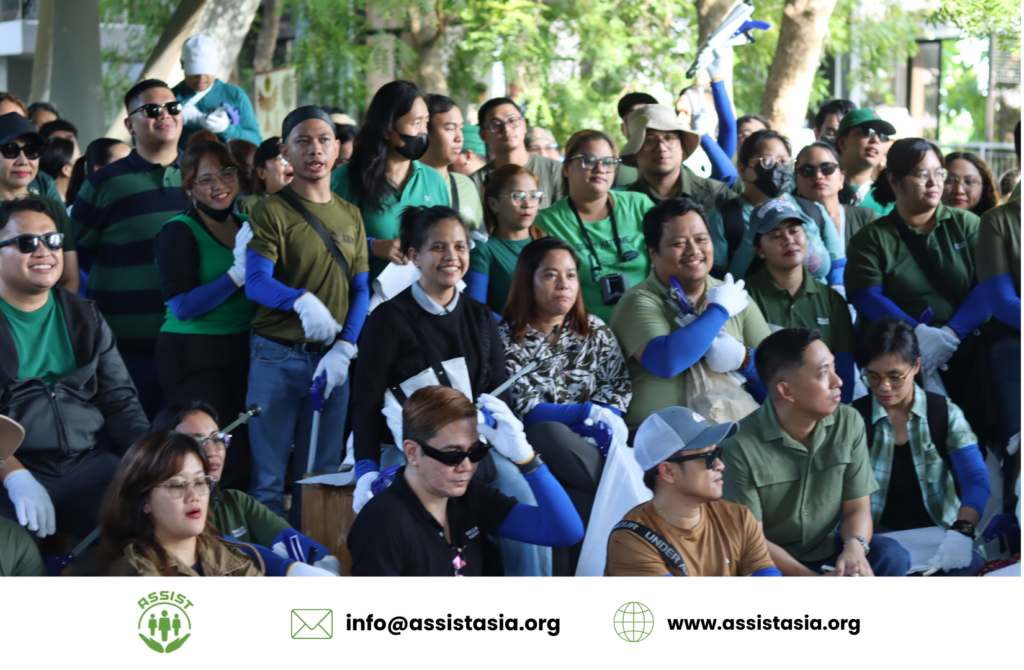
Two hundred employees from KMC Solutions hiked into the foothills of the Sierra Madre in July, carrying shovels and saplings, for a day of tree planting organized as part of KMC’s Corporate Social Responsibility program in partnership with ASSIST. By the end of the day, they’d planted 6,000 saplings across the sanctuary grounds.

The site, Gabriel’s Sanctuary, is a DENR and Upper Marikina River Basin Protected Landscape-accredited reforestation area, part of the larger effort to restore the Upper Marikina Watershed. That watershed does real work for millions of people downstream — filtering water, absorbing rainfall, buffering against the flash floods that have become familiar across the region.

The volunteers came from departments across KMC — people who don’t normally cross paths at the office, spending the day hiking, digging, and planting across the sanctuary grounds together.

“We’ve got people from all departments across KMC, all coming together, knowing that they’re giving back to the community and the environment,” said Tom, one of the volunteers. “It’s been really impactful — not just in how we support these local communities, but in bringing the team together.”

For Irish, another volunteer, the day was a reminder of what small, unpaid effort adds up to.

“Knowing that in a very little way, we’re able to help not just people but the environment too — I think that’s more than enough reason to make this a habit,” she said. “Even just once a year.” 

For Macky, it was his first time planting a tree, and it left him thinking about what the forest could look like decades from now if days like this one add up.

“Help us to save nature,” he said, “because in 2090, we might not see Sierra Madre — and we know that Sierra Madre is our savior from the typhoons.”

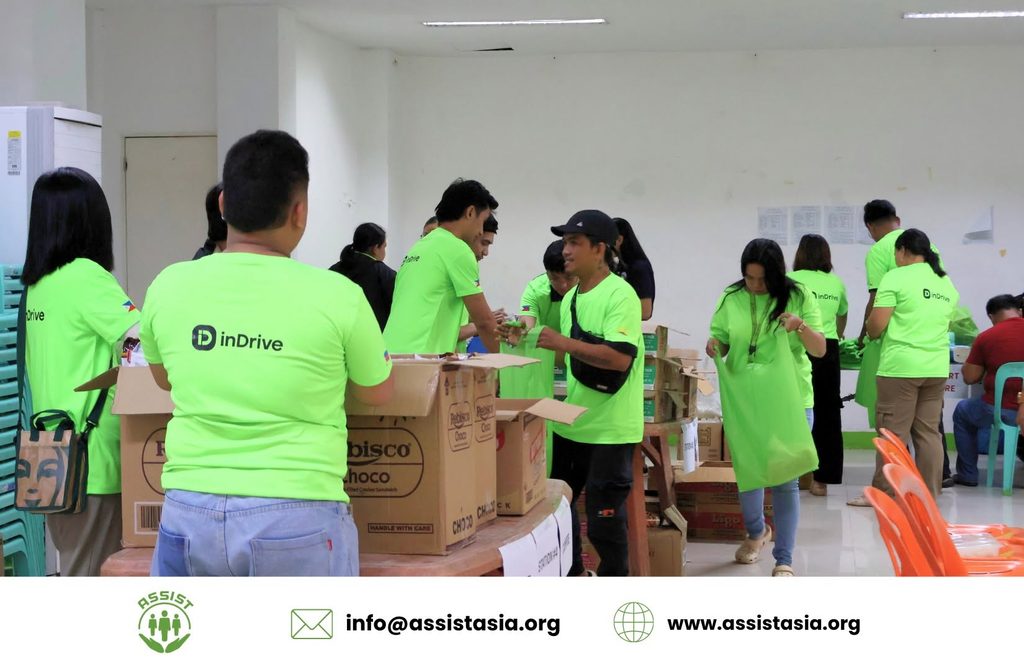
Behind the day itself was a fair amount of groundwork that never makes it into a photo: sourcing 6,000 saplings, scheduling volunteer shifts, mapping which zones of the sanctuary needed planting. ASSIST worked alongside KMC to handle that planning ensuring that volunteers weren’t just spending a day outdoors but were putting in work toward a cause their community will feel the impact of for years to come.

The trees are in the ground, and the volunteers are hopeful the saplings will take root and the forest will slowly fill back in. Two hundred people showed up for one day. Six thousand saplings now have years ahead of them to reshape not just Sierra Madre but also the communities downstream.

ASSIST partners with corporations to turn employee volunteer days into measurable contributions to communities and the country’s environmental resilience. For partnership opportunities, fill out ourt Partnerships Form or visit assistasia.org to know more.

Not Just a Talent Show: San Juan’s Kids Take Center Stage for ANNAKKO Year 3

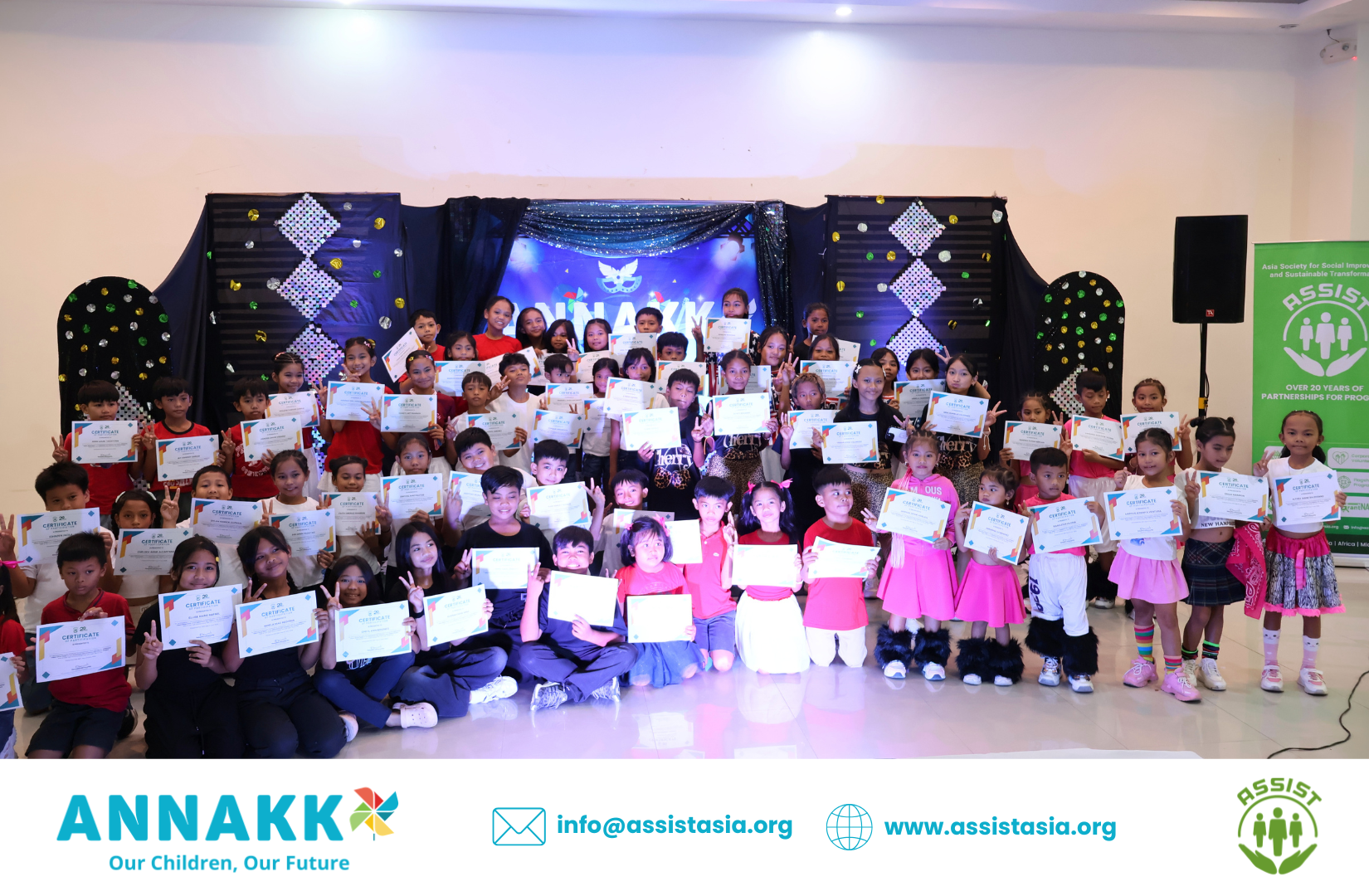
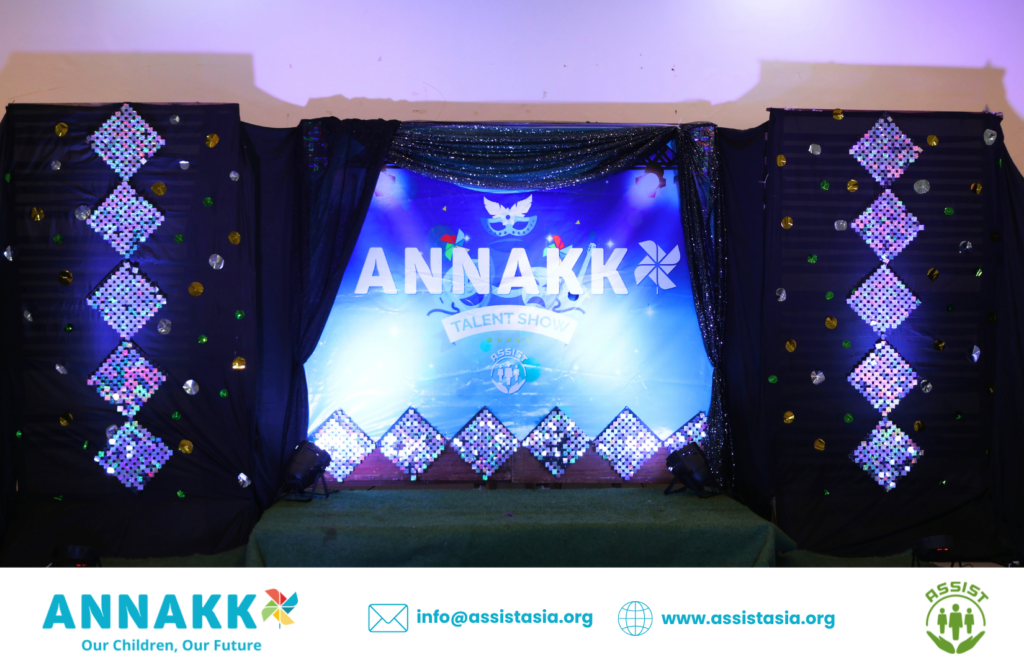
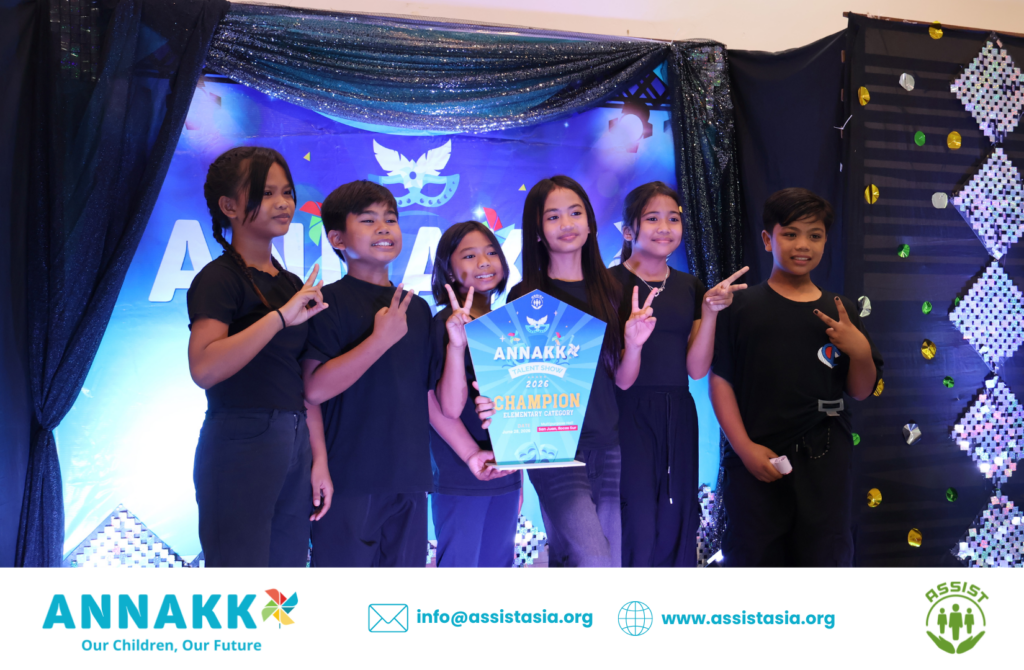
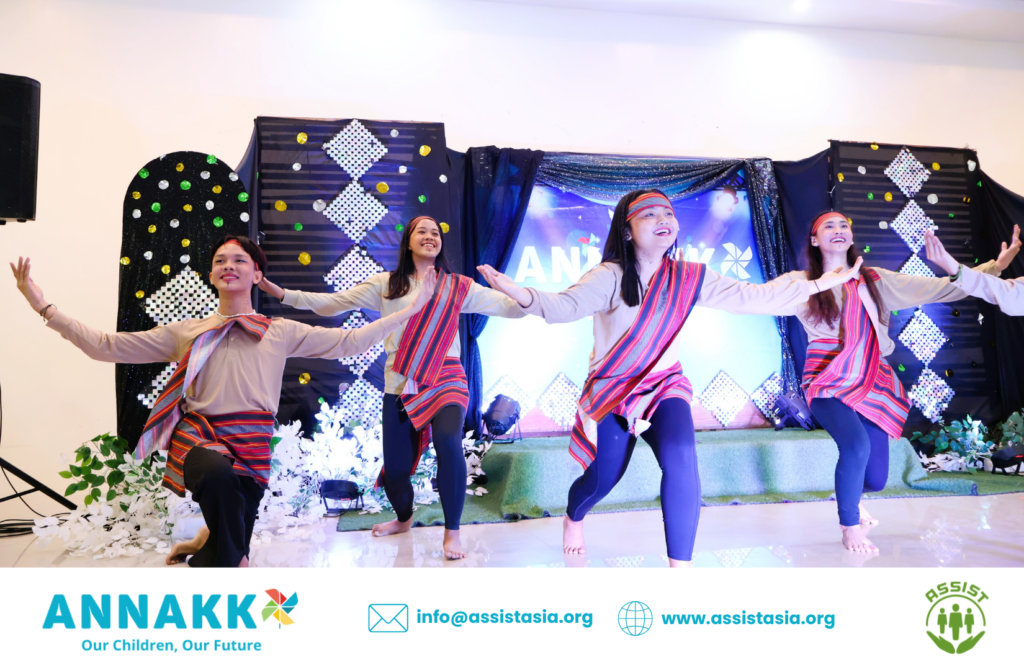
Twenty children from public elementary and high schools in San Juan, Ilocos Sur performed on stage on June 28, part of the ANNAKKO Talent Show 2026 — a program built around a simple premise: children who spend their time learning, playing, and performing are children who aren’t spending that time working in the fields.

The event is one stop in ANNAKKO Year 3: Our Children, Our Future, a 12-month program launched in November 2025 to prevent child labor across farming communities in Ilocos Sur by strengthening the systems around children — families, schools, and local support networks. Over its run, the program aims to reach 1,500 children, 500 parents, and 100 educators through activities that include a Children’s Rights Parade, digital literacy workshops, and summer leadership camps. 

The Talent Show, which held its first leg in Narvacan earlier this year, is designed to give children something more immediate: a stage, an audience, and a reason to be celebrated for something other than survival.

The event, co-organized with the Rotaract Club of Magsingal North Ilocos Sur, Trans-Manila, Inc. and Universal Leaf Philippines, Inc, opened with a short talk on child labor. The message was direct: every child has the right to learn and grow in an environment that protects them, not one that puts them to work. What followed gave that message a stage of its own — performances where children, and the families watching them, got to show what these kids can do when given the room to try.

Understanding the Mission Behind ANNAKKO

ANNAKKO stands as ASSIST’s response to the prevalence of child labor in small-scale farming communities. In many rural settings, families rely on unpaid household labor—including their children—just to keep agricultural operations afloat. However, ANNAKKO draws a vital line between child work and child labor. Light, age-appropriate tasks can build character and skills without harm. Child labor, by contrast, steals a child’s education, health, and future—a risk that runs especially high in informal farm settings. 

Grounded in the UN Convention on the Rights of the Child, ANNAKKO works alongside farming families to safeguard these young lives, ensuring that every child’s right to play, learn, and grow remains protected.

To date, the initiative’s community-centered approach has delivered tangible regional impact:

  • 1,500+ children protected and engaged
  • 500 parents and caregivers empowered
  • 100 educators and community leaders trained

Events like the Narvacan Talent Show give children space to simply be children. On stage, young performers shared their creativity and passion with an enthusiastic crowd. Outstanding acts across the Elementary and High School divisions were recognized with plaques and cash prizes, surrounded by cheers from parents, teachers, and peers who gathered to celebrate their potential.

Beyond the Stage

ANNAKKO’s broader goal doesn’t end with an afternoon of performances. It continues in the classrooms, homes, and communities the program works year-round – the places where families are actually deciding, day to day, whether their children go on the field or stay in school. 

Highlighting the core driving force behind this work, Francis Macatulad, ASSIST’s Director for Business Development, emphasized:

“Our children are our future. As the leaders of tomorrow, children deserve the opportunities to learn, play and experience childhood away from the demands and hazards of child labor. ANNAKKO (‘My children’ in Ilocano) was designed to raise awareness among the youth on children’s rights and the importance of education.”

While the talent show offered a platform for creative expression, it represents just one facet of a multi-pronged community approach. “The program also organizes various enjoyable but empowering activities that build their knowledge and skills, such as leadership training, disaster resiliency games, summer camps, self-defense classes, talent shows, and art competitions,” he explained.

Programs like ANNAKKO are proof that community-led initiatives can rewrite the future for children in agriculture. By combining advocacy with creative outlets, we are helping build communities where every child’s right to education and play is protected.

“ASSIST is proud to uphold children’s rights and contribute to child labor protection among small-holder farming communities in Region 1,” Macatulad added, “and we hope to expand our impact to other parts of the Philippines.”

Help us bring this vision to more farming communities across the Philippines. Share this story to raise awareness about child rights and collaborate with us on upcoming field activities and youth interventions. To partner with us, fill out this Partnerships Form or visit assistasia.org to know more.

200 Wells Fargo Volunteers Clear Coastal Debris to Protect Local Biodiversity

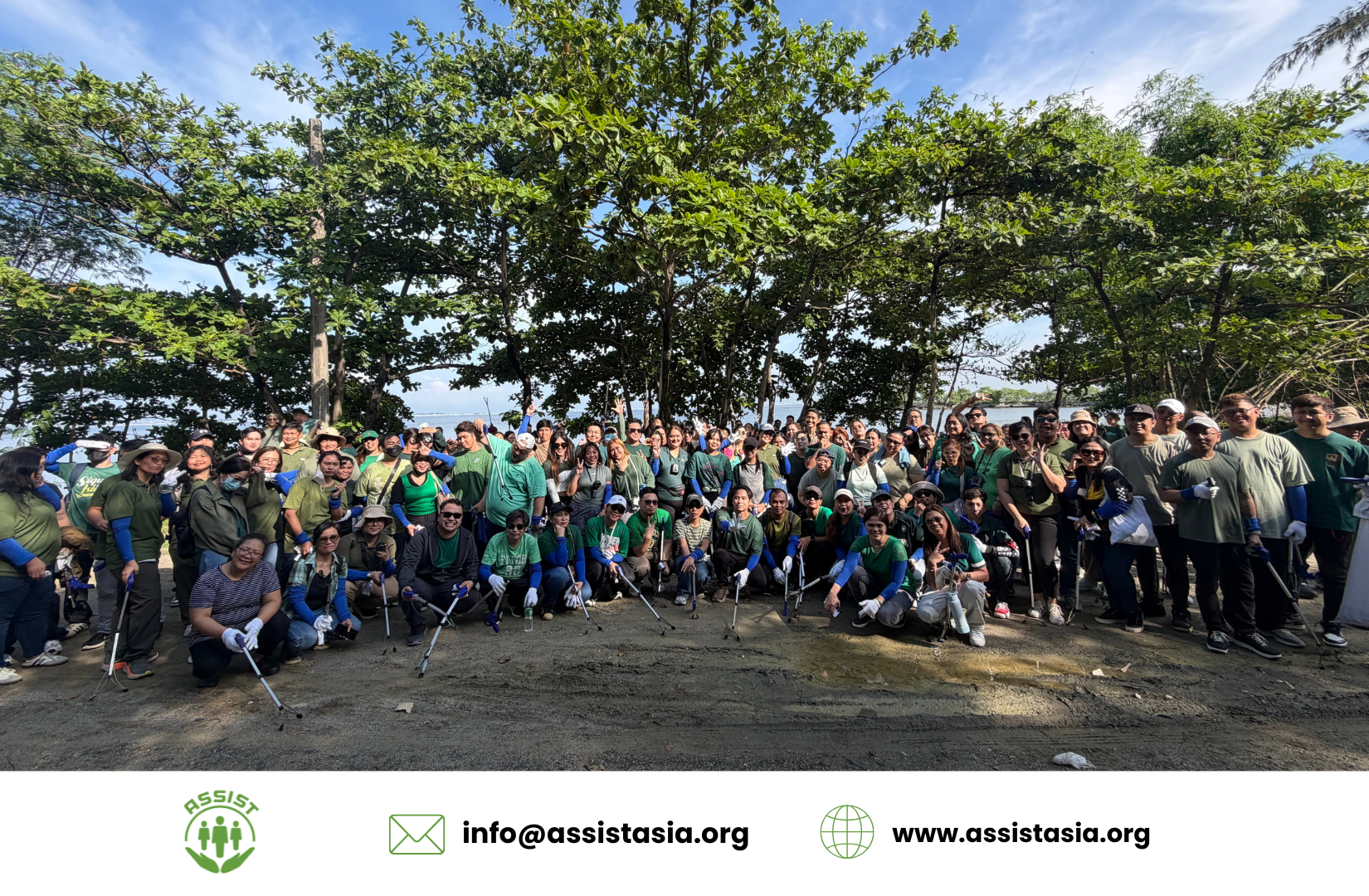
PARANAQUE, Philippines – Nearly 200 volunteers from Wells Fargo turned out on July 3, 2026, for a coastal clean-up drive at the Las Piñas-Parañaque Wetland Park (LPPWP), one of Metro Manila’s last remaining critical wetland ecosystems. Organized in partnership with ASSIST, the initiative drew 188 volunteers who spent the morning clearing debris from the park’s shoreline. 

Las Piñas-Parañaque Wetland Park, or LPPWP, is a 181.63-hectare protected area spanning Freedom Island and Long Island. It’s a sanctuary for migratory birds and endangered species, and it plays a key role in mitigating flooding for the communities around it.

Left unchecked, accumulated coastal debris threatens both. Trash piling up along the shoreline doesn’t just harm the habitat’s biodiversity, it also interferes with the flood-control function the wetland provides to nearby residents. That is where the 188 volunteers came in.

Following an orientation on the site’s ecological importance, teams moved along the shoreline to gather and categorize waste—including single-use plastics, PET bottles, styrofoam, rubber, and glass—ensuring it could be properly recycled or disposed of downstream. In a single morning, the teams freed critical waterways from buildup, helping safeguard surrounding neighborhoods from urban flooding and revitalizing one of Metro Manila’s vital natural habitats. 

The initiative demonstrates how purposeful corporate volunteering turns CSR commitments into measurable environmental impact—advancing Wells Fargo’s local sustainability goals while deepening employee engagement. By partnering with ASSIST, corporate leaders can translate their ESG commitments into hands-on conservation work that delivers real, lasting benefits for vulnerable ecosystems. 

Explore our work and partner with us by filling out our Partnerships Form or visit assistasia.org to know more.

Megawide and ASSIST Host Hands-On ‘Master of Disaster’ Workshop for University Scholars and Families

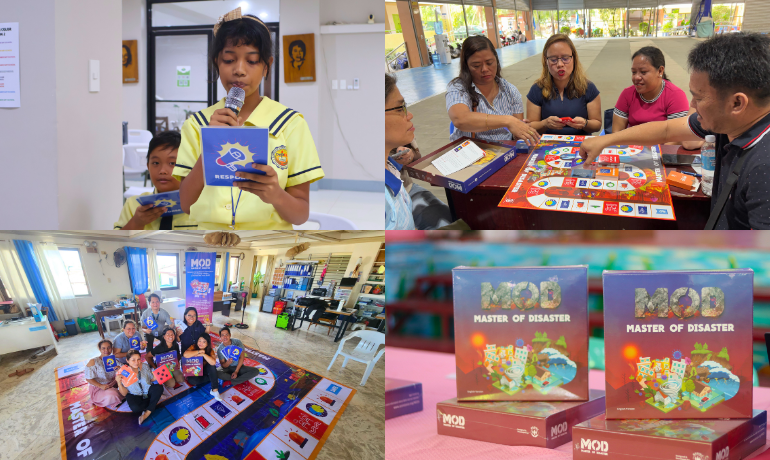
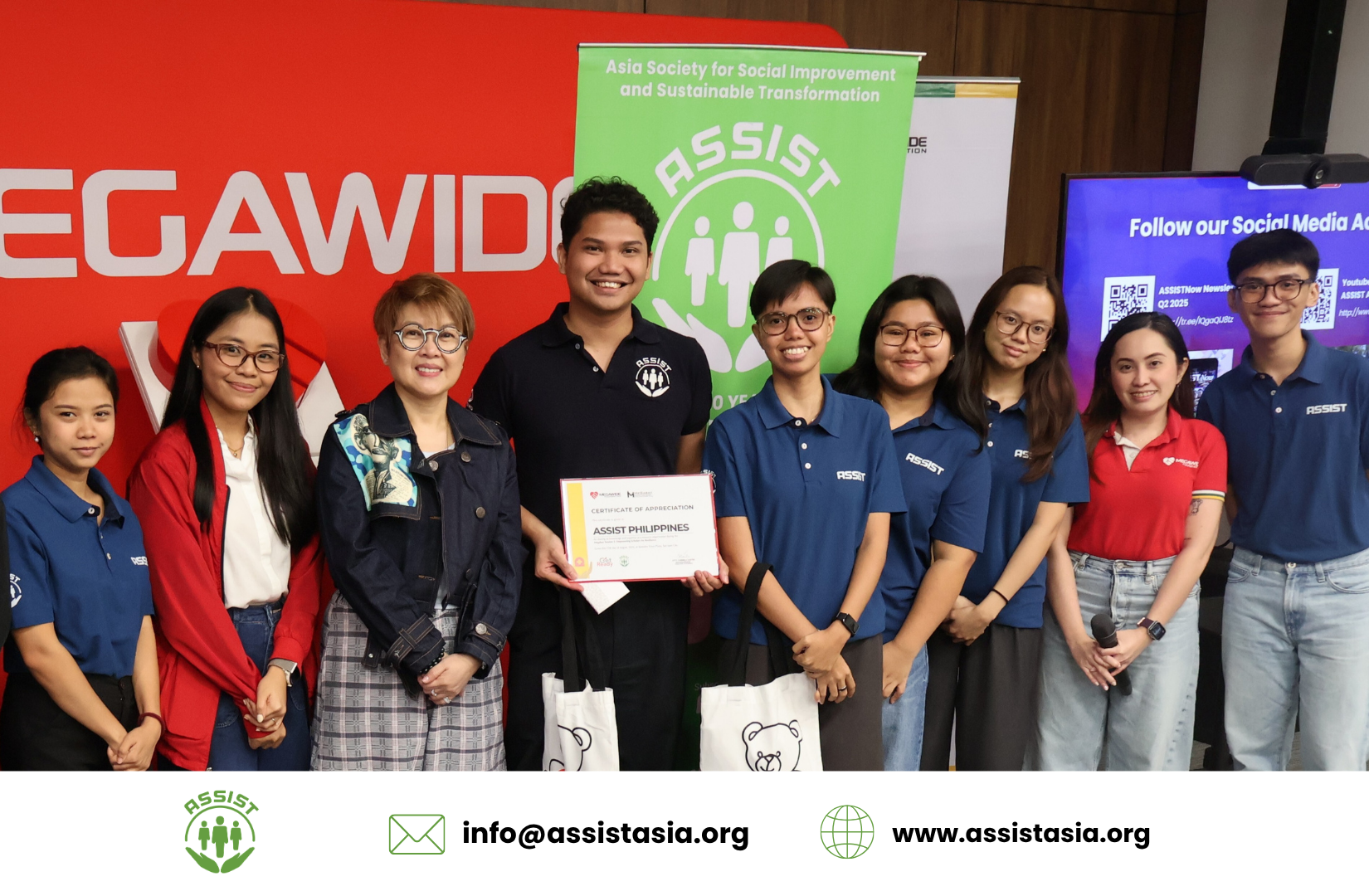
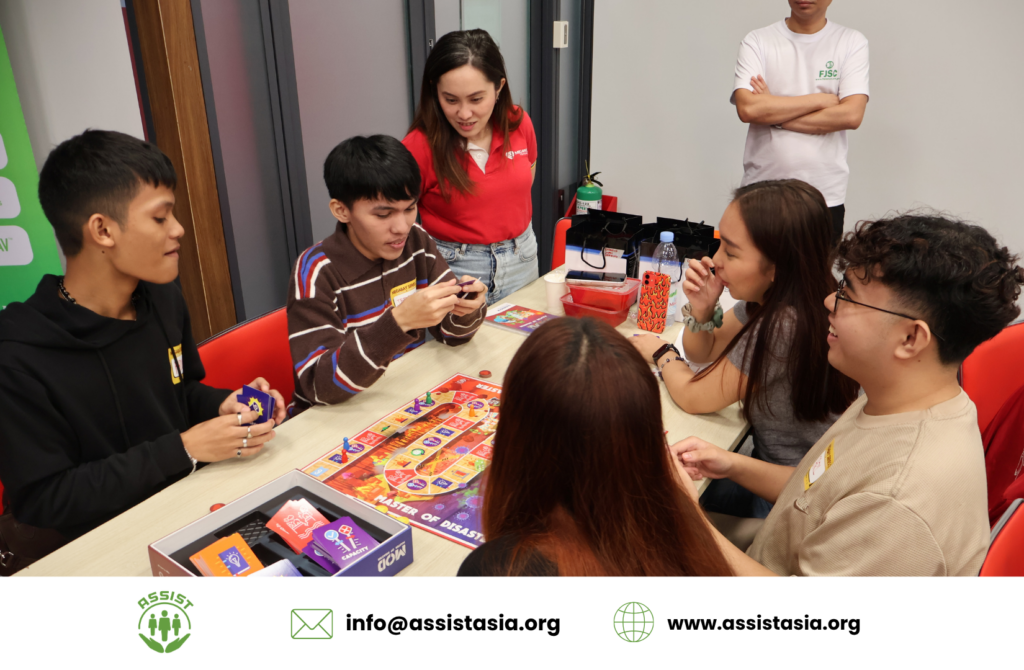
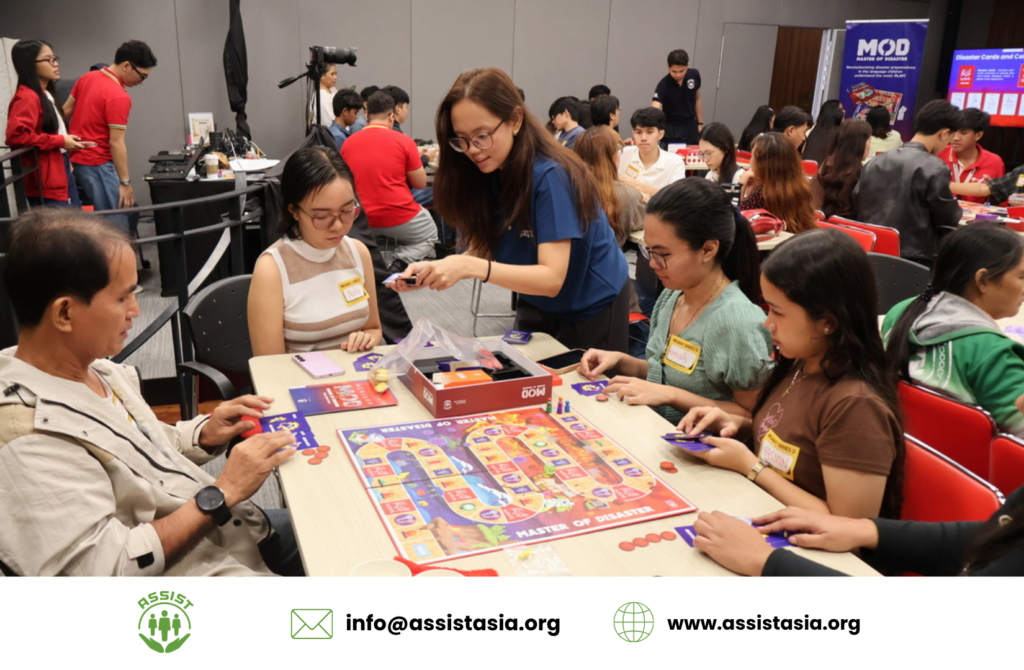
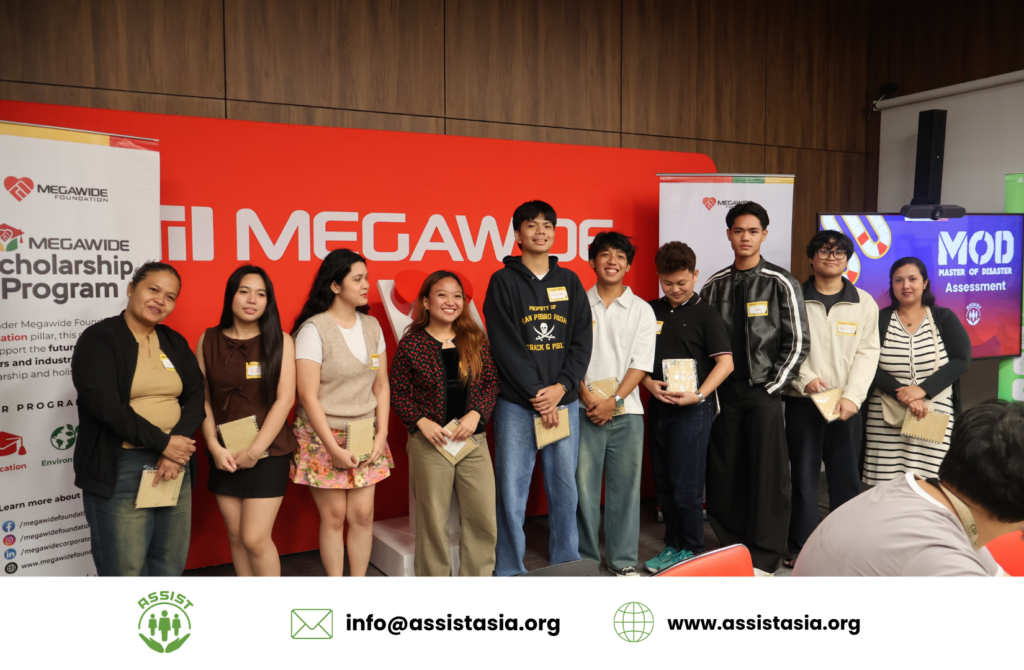
SAN JUAN, Philippines — On August 15, 2026, Megawide Corporation partnered up with ASSIST for the Megawide Master of Disaster (MOD) Rollout at Santolan Town Plaza, bringing together around 45 students from Ateneo de Manila University, UP Diliman, and De La Salle-College of Saint Benilde, along with their parents, for a hands-on session with ASSIST’s Master of Disaster (MOD) board game. More than just play, it built the vital knowledge and confidence communities need when disaster strikes. 

This event aims to equip Megawide Foundation’s university scholars with essential disaster preparedness knowledge through the MOD board game. There’s a reason game-based learning works: when knowledge is lived rather than lectured, it stays. Through MOD, students and parents tackled real-world disaster scenarios together, translating complex preparedness concepts into practical, life-saving strategy.. For the players of the game, it was more than just fun, it was an educational experience and a rehearsal for disaster resilience.

Employees Leading by Example

What made the day especially meaningful were those who showed up to play. Megawide employees didn’t simply observe from the sidelines — they sat down, rolled the dice, and played alongside the students, embodying the kind of hands-on community engagement that turns corporate values into lived experience.

Adding to the event’s impact, Megawide Corporate Foundation, Inc. (MCFI) President Tata Saavedra participated alongside scholars, reinforcing the foundation’s commitment to the initiative.

A Model Worth Multiplying

Days like this remind us of something bigger — that disaster preparedness education doesn’t have to be boring or terribly serious. It can be interactive, memorable, and shared. ASSIST believes this game-based model is one more organizations can and should adopt, transforming preparedness training from a checkbox into a genuine, shared investment in community resilience.


About the Partnership

The Megawide MOD Rollout reflects Megawide Corporation and MCFI’s ongoing commitment to community resilience, brought to life through ASSIST’s Master of Disaster program. Together, ASSIST and Megawide continue to explore new ways to bring disaster preparedness education directly to the students, families, and communities who stand to benefit most.

Ready to bring MOD to your organization or community? ASSIST partners with corporations, schools, and local governments to deliver game-based disaster preparedness training that turns learning into lived experience. Reach out to ASSIST to explore how we can co-create your own MOD rollout by filling out the Partnerships Form or visit assistasia.org to start a conversation!

On World Literacy Day, ASSIST Rethinks What It Takes to Make Lifelong Learning “Stick”

What if we stopped treating literacy as just reading words on a page and started viewing it as an operating system for daily life? 

Every year, International Literacy Day invites us to measure progress in global education. However, global conversations around literacy have fundamentally shifted – moving beyond basic reading and writing toward functional, digital, financial, and climate literacy. In 2026, navigating modern challenges requires skills that allow individuals to translate critical information into informed, real-world action.

ASSIST believes that true literacy must function as an active decision-making framework for real life. Knowing how to read words isn’t enough if people struggle to apply those concepts when facing economic, social, or environmental challenges. That is why our core goal is to innovate on lifelong literacy by making educational content engaging, interactive, collaborative, memorable, and sticky – moving learning out of passive instruction and into hands-on experience. 

To see what this looks like in practice, we spoke with Rhyanna Ilagan (Senior Associate for Product Development, Strategy & Innovation) and Bea Leana Hernandez (Partnerships Associate), two people shaping the frontlines of ASSIST’s interactive toolkits. 

On the creation side, Rhyanna oversees the journey of our learning tools from initial market research to final printing, crafting board games and flashcards built around active recall and practical decision-making. 

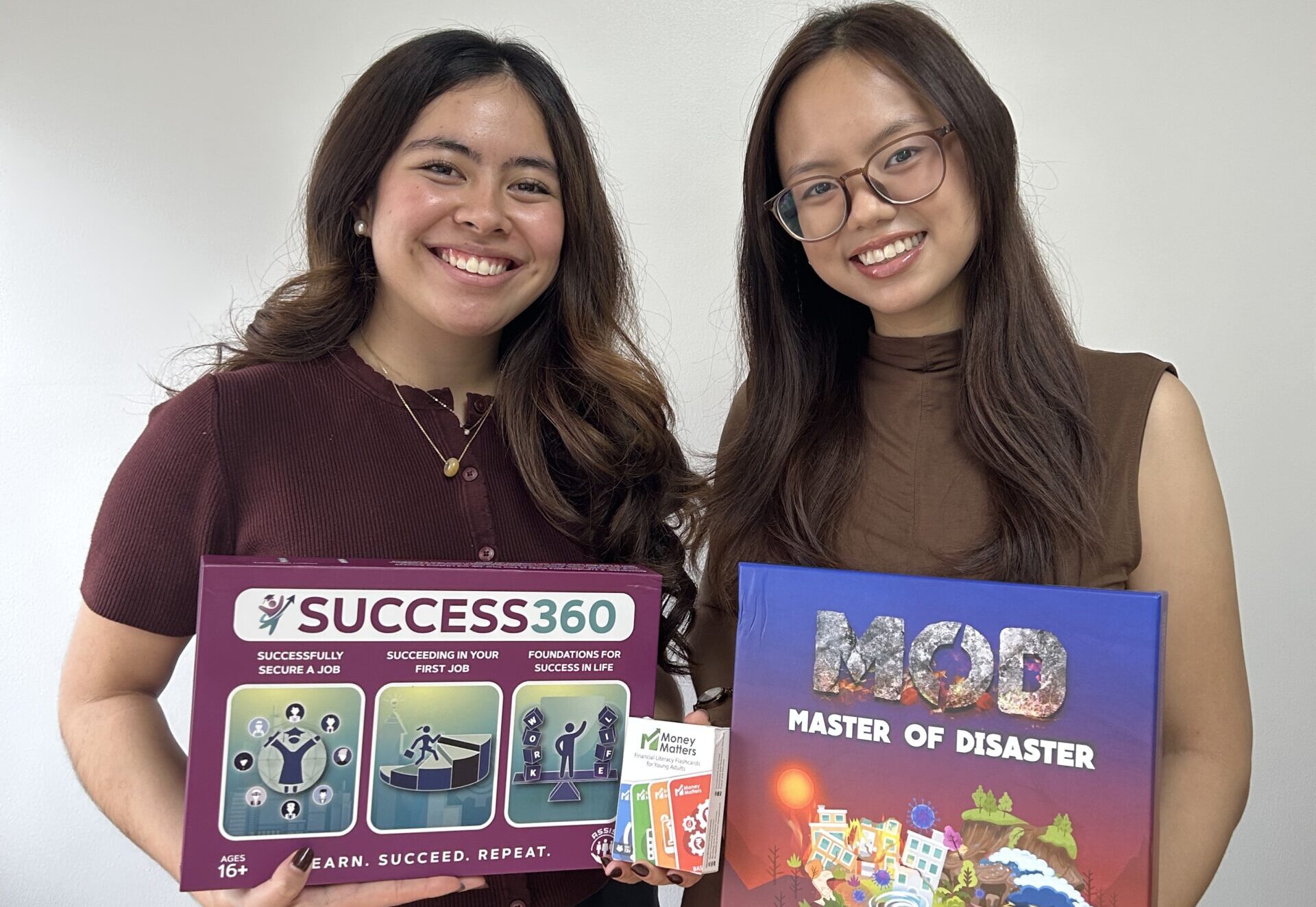
Rhyanna’s team turns complex concepts into tangible experiences – taking board games and flashcards from initial ideation and market research all the way to execution and printing, ensuring every tool emphasizes active recall and scenario-based decision-making. At the same time, Bea bridges the gap between design and delivery, building multi-sector partnerships with government agencies, schools, and private organizations to bring flagship products like Master of Disaster, Success360, Money Matters, and the upcoming I2CAN directly into communities. 

Their work creates low-stakes spaces where learners don’t just study literacy concepts—they practice real-world skills, test ideas, make mistakes, and build lasting confidence.

Read below to join in the conversation.


As September ushers in World Literacy Day, UNESCO is calling on public and private sector leaders to push for improved literacy rates and digital preparedness. An excerpt from UNESCO states: “Literacy is essential for acquiring broader sets of knowledge, skills, attitudes, values, and competencies in different areas, be it media and information literacy, financial literacy, technical and vocational skills, health, political and social sciences, environmental science, citizenship, education, and culture. Literacy opens the door for many of these functional skills.”

How does this perspective align with the product suite you work on?

Rhyanna: As the world evolves, [literacy] is not only learning through pen and paper anymore, and it’s not just reading and writing and comprehending. Literacy shifts to not just being a subject, but becomes an operating system. And that’s why ASSIST pushes for those products. 

The purpose of the games is to be able to learn and make mistakes in a safe environment. It prepares them to create decisions when the time comes. Through practicing or playing the game, there’s recall, there’s a behavioral change. With our products, people learn about how to care for our money, safety in terms of different disasters, career, and just being a citizen in this world. They get to practice it. Our products act like a supporting role where literacy becomes a tool to navigate life. 

From your experience on the ground, how does interactive learning help bridge literacy gaps for both adults and kids in ways traditional classroom training can’t?

Bea: It’s not the basic classroom training of disaster preparedness that we have. It’s a gamified approach, as Rhyanna has mentioned. It’s also a more engaging approach. Typically, when students learn about disaster in the classroom, it’s with a teacher, and there’s a blackboard, and there’s a screen in front of them. But with MOD, it allows them to engage more and be an active participant in the discussion. 

We also see how reading out loud works. One rollout that was especially memorable for me was when we had adults that struggled reading the cards out loud. We realized that it may be because they were out of school, or they were studying during the pandemic when there wasn’t an emphasis on reading out loud. So that’s the importance of having this avenue for interaction. The games allow them to practice that. 


How do language and cultural localization play a role in making these tools accessible to diverse communities? 

Bea: Most of our products are in English, so we’re working on other versions that include the dialects of the country, like Bisaya. And also we’re working on a Taglish version for MOD to make it more accessible to learners. We also received a lot of feedback requesting for the language to be simpler, so that kids would understand it better and that they don’t have to rely on the facilitator or their teachers to read it and to play it. 

Rhyanna: Currently, our India office is already using our updated version of Master of Disaster. They’re also trying to localize it. Meaning, if it’s typhoons or floods, it’s cyclones in India. We’re making it more relatable and contextual. We also are going to roll out a Vietnamese version so that more and more people are going to be educated on disaster preparedness.

What does active learning look like in practice, and how do these tools ensure knowledge stays with participants after the game ends?

Rhyanna: With just using pen and paper, learning can be sort of passive. But if we play through the games and practice different decision-making, it becomes active. It changes behavior. 

Somebody who’s going to start their career could actually practice how to make resumes, or practice how to answer more wisely, or be more prepared, in an interview. They can prepare themselves when they’re starting their own financial journey. Our products don’t necessarily just teach you what to do in different life situations, they help you practice making decisions. 

And when you play it with your schoolmates, your colleagues, or other community members, you’re deciding as a group. Meaning learning happens through discussion or disagreement. You learn through these exchanges. It forces you to navigate different situations in a community so, when the time comes – especially with MOD – you know how to help each other. So that’s how the games also allow you to be a social citizen. 

Bea: What’s unique with how MOD is distributed is it is always integrated into a program. It’s more than just turning over the game board units to the schools or to the communities, but also teaching them how to play it. It’s about training them to become “Masters of Disaster” themselves so that, in the future, they can also share that knowledge with others. Students would share it with their classmates, friends, and neighbors. 

That’s how these tools make learning stick. In the case of MOD, participants are empowered to become agents of disaster preparedness in their community.

Can you walk us through ASSIST’s flagship product suite and how each tool addresses a different area of life skills?

Master of Disaster (MOD)

Bea: Master of Disaster is a gamified approach to disaster preparedness. Community members and private sector partners typically use it for their business continuity measures. They also roll it out to disaster-prone areas. Following the rollout of over 1,000 units in 2025 alone, active distribution continues this year. 

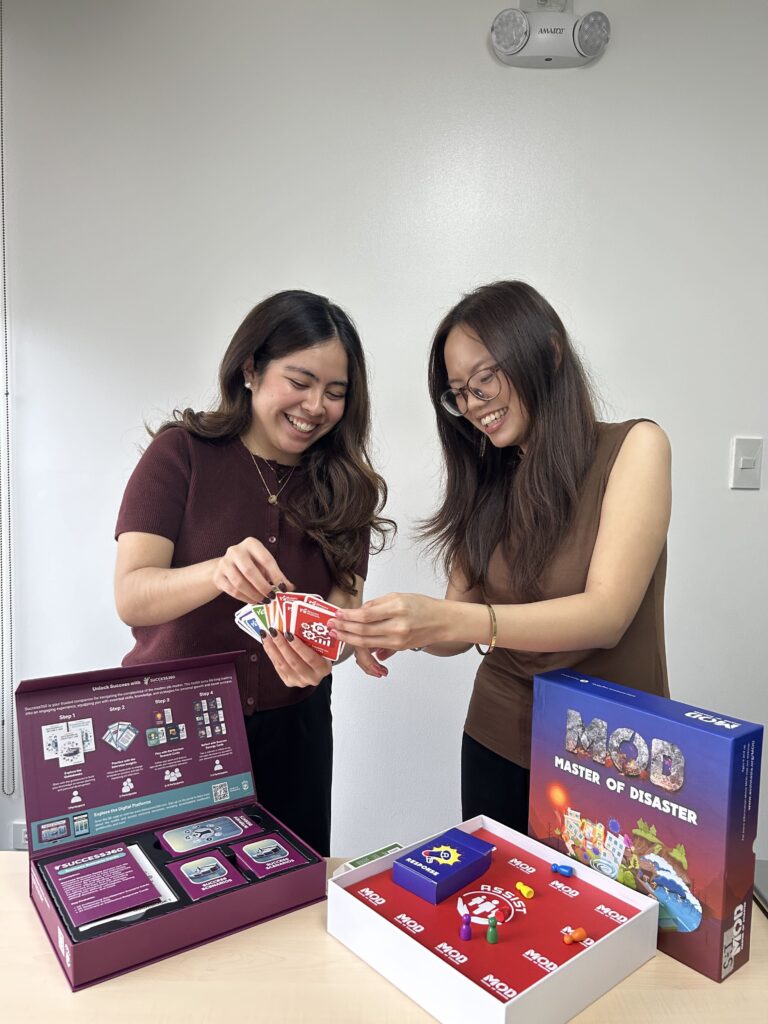
It’s played like a combination of Monopoly, Charades, Snakes and Ladders, even Trivial Pursuit. It’s a board with tiles and cards. It’s normally played by 2-6 players. Players roll the dice and the tile you land on corresponds to a card. So if you get a disaster, you have to respond to the disaster. We also have knowledge cards that have the Q&A, and Act It Out, which adds to the learning of the participants.

When people learn that it’s a board game approach, they get excited. They really see the value in MOD and how it’s very accessible to members of the community, students, and also employees. Offices would typically have really rigorous training when it comes to disaster preparedness and disaster resilience. But adding MOD is a way for them to get excited about these programs. 
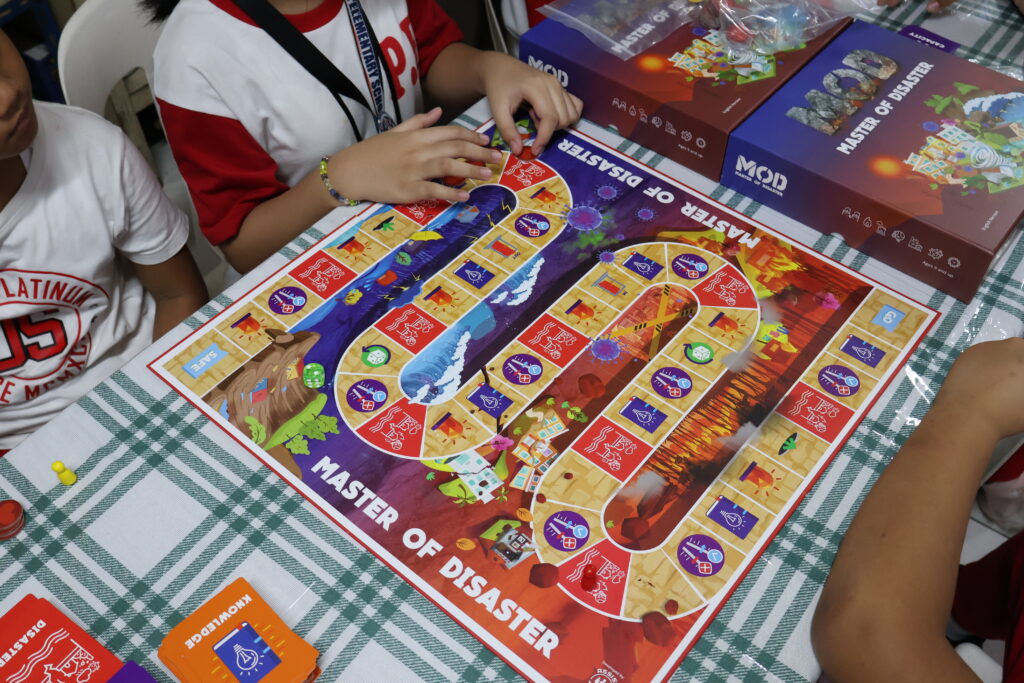
Master of Disaster

Success360

Rhyanna: Success360 is about learning, succeeding, and then repeating all of this knowledge, to help you in succeeding in your first job, securing a job, and also be successful in different aspects of your job. In the box, there are three guidebooks and one online workbook. We also have one interview insights material, a scenario deck, and a success synergy deck. 

Success360 teaches you to navigate career planning and personal development as well as practice different interview scenarios. Then we have success scenario cards that guides you in coping with your boss and other workplace challenges. And then, lastly, we have success synergy cards that give you a space to reflect and learn the different concepts that are important to succeed, not just with your work, but also with your personal life.

This is perfect for college students or those first-time job seekers. We also roll it out to different companies, teaching participants to navigate different career journeys and career options. 
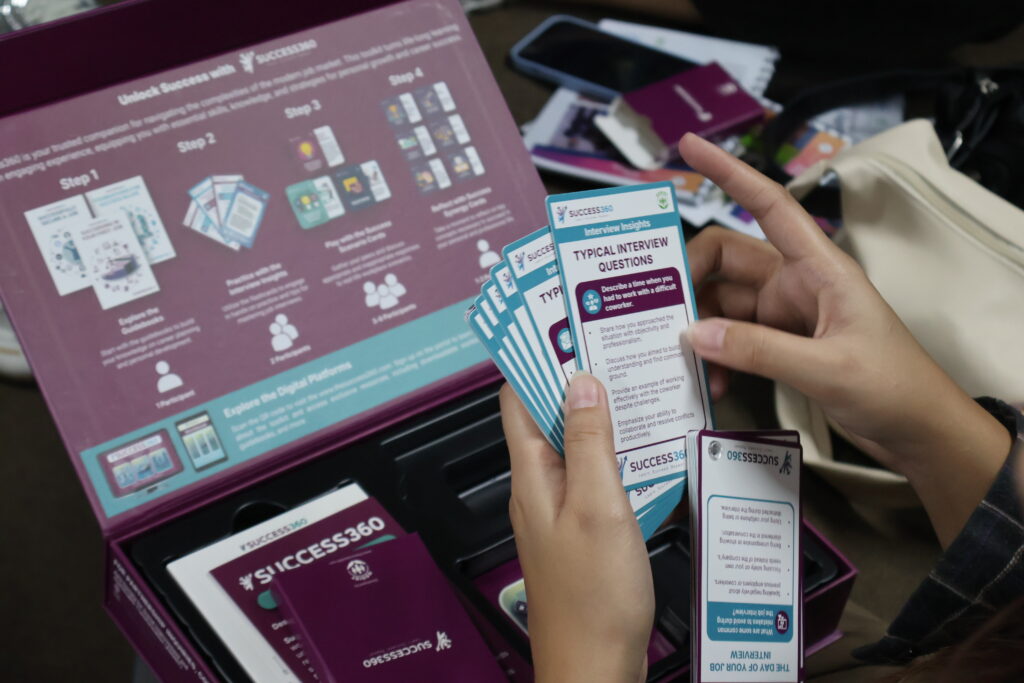
Success360

Money Matters 

Rhyanna: Money Matters is a financial literacy flashcard for young adults. This is perfect for those in Senior High school, first-time job seekers, or those who are just opening their first bank accounts. The goal here is to educate and engage people on the basics of financial literacy. 

In the Philippines, most people are not necessarily knowledgeable about investments, credit scores, etc. This game teaches a regular Filipino how to open a bank account and learn financial concepts. It also helps them with budgeting, debt management, investments, taxes, different insurance options, fraud and security, and even how to plan for retirement. 
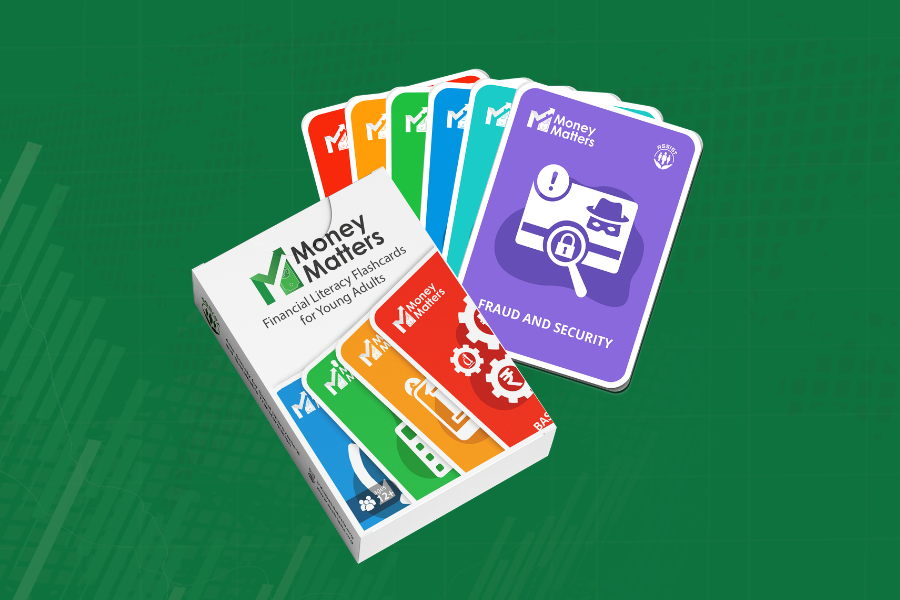
MoneyMatters

I2Can 

Rhyanna: i2Can is an educational board game currently in development. This is perfect for youth ages 7 and up. The name I2Can has a double meaning: “I too can” be a good citizen, friend, child, and student—while the “2” stands for Inspire and Ignite. 

This game educates young learners in navigating life in different thematic areas:  green living, healthy living, safe living, and ethical living. In this game, they learn to navigate different decision-making or scenarios like saving the environment, waste management, and starting a healthy lifestyle. They learn about food groups, meal planning, and mental health, along with safety across roads, natural disasters, home, school, community, and online environments. And lastly, with ethical living, they learn how to be a good friend, a good son or daughter, and a good community member. 

The format is perfect for this age range. We put them in simple scenarios to avoid overly complex decision-making. Our main goal with i2Can isn’t for them to win, but for them to learn what to do in different real-life situations.

Building on this focus on foundational life skills, we are expanding our work on mental health with a dedicated knowledge product currently in development, set for release in early 2027.
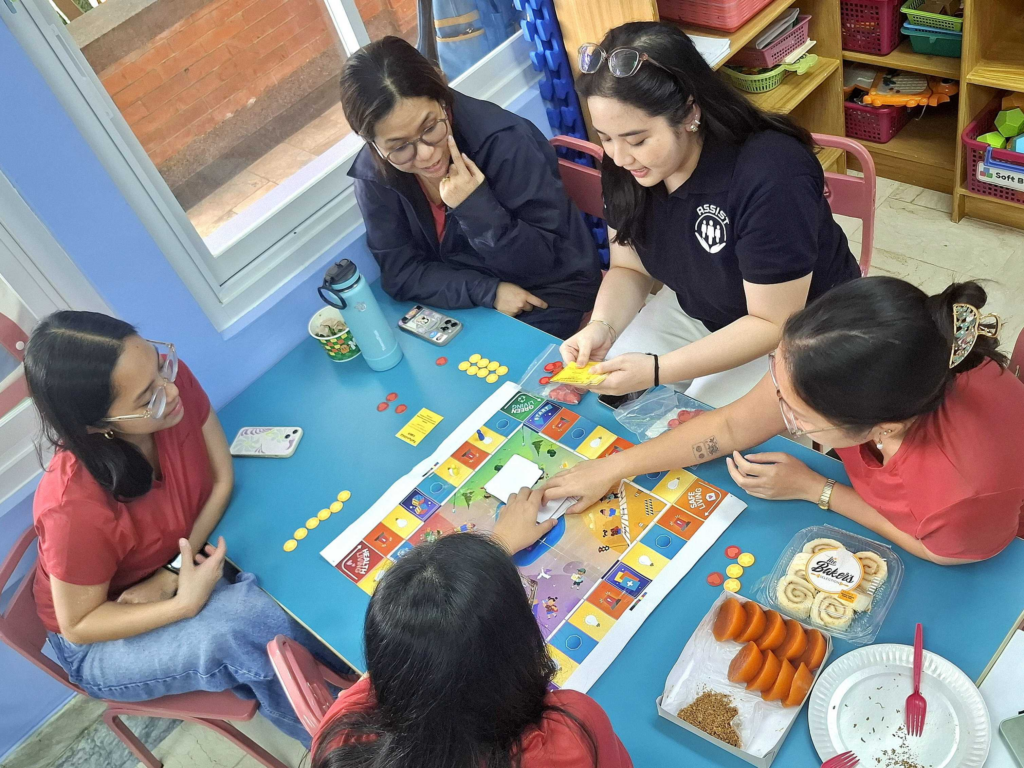
I2CAN


Could you share a memorable story from the ground that highlights the real-world impact of these games?

Bea: I especially like when the parents play it. We rolled out the MOD recently to scholars, and their parents were also in attendance. The parents had their own play group. In the beginning, they were hesitant to play. They were like, “Oh, this is just for kids,” and “It’s complicated to play.” Parents don’t normally have the patience to learn game mechanics. 

But once they get going, they start to enjoy it. They begin helping others in different scenarios since, with MOD, we really encourage people to save themselves first and then others, to get a hero token. After the game, they would say, “Wow, this will really be helpful for our home. Now we can create an emergency plan.” And that’s what I like when rolling out MOD. 


Talk about the partnerships aspect. What makes interactive toolkits a worthwhile investment for LGUs and corporate CSR partners?

Bea: Aside from the fact that these are IEC materials, I think local government units and also agencies like DILG really see the value in MOD. 

We just had National Disaster Month. The DILG distributed 33 MOD units to different LGUs in Metro Manila because they understand how MOD can help LGUs get started in disaster preparedness. And whenever we also meet with different DRRMOs in the cities, they also have MODs in their offices handy so that their interns and guests can play MOD. It’s a fun and engaging way to not only break the ice, but also to learn about disaster, even in events that you don’t normally learn about disasters.

On the corporate side, we normally participate in business continuity and risk management training programs. Whenever offices have their business continuity week, they would always include MOD and ask us to set up a booth in their office. During their Safety Week events, partners invite us to train their employees to play MOD, while also procuring game units to donate to a community or school of their choice. Their employees also volunteer to facilitate these MOD sessions with students. I believe that’s why they keep repurchasing and why they keep going back to ASSIST for MOD.
 

Looking ahead, what message do you hope people take away this World Literacy Day regarding the future of lifelong learning?

Rhyanna: Learning must evolve beyond traditional classrooms. It is now a lifelong journey that goes past basic reading and writing. Through ASSIST’s products, we help people master essential life skills—like disaster preparedness, financial literacy, career development, and general competence. Literacy is lifelong – it doesn’t end in a classroom, office, or with a diploma. Our products focus on people at every stage, starting with kids learning early and supporting young adults with financial and career preparedness. 

We don’t intend to replace traditional books and teachers. Instead, we serve as a support system—reinforcing classroom learning and helping people apply concepts to real-life situations. 

Today shouldn’t just spark a single conversation—it should keep one going. We want our audience to keep learning, applying skills to new situations, staying prepared, and becoming good citizens. 


World Literacy Day gives us a good reason to look beyond standard classroom instruction.


As our day-to-day challenges grow more complex, people need practical experience—a chance to test scenarios, make mistakes, and build genuine confidence before real-life emergencies or career milestones happen. When education focuses on active decision-making, whole communities become far more resilient.

As we look toward the future of learning, how is your organization equipping people to turn critical knowledge into action when it matters most?

Volunteers in Frame: ASSIST Launches TPSW 2026

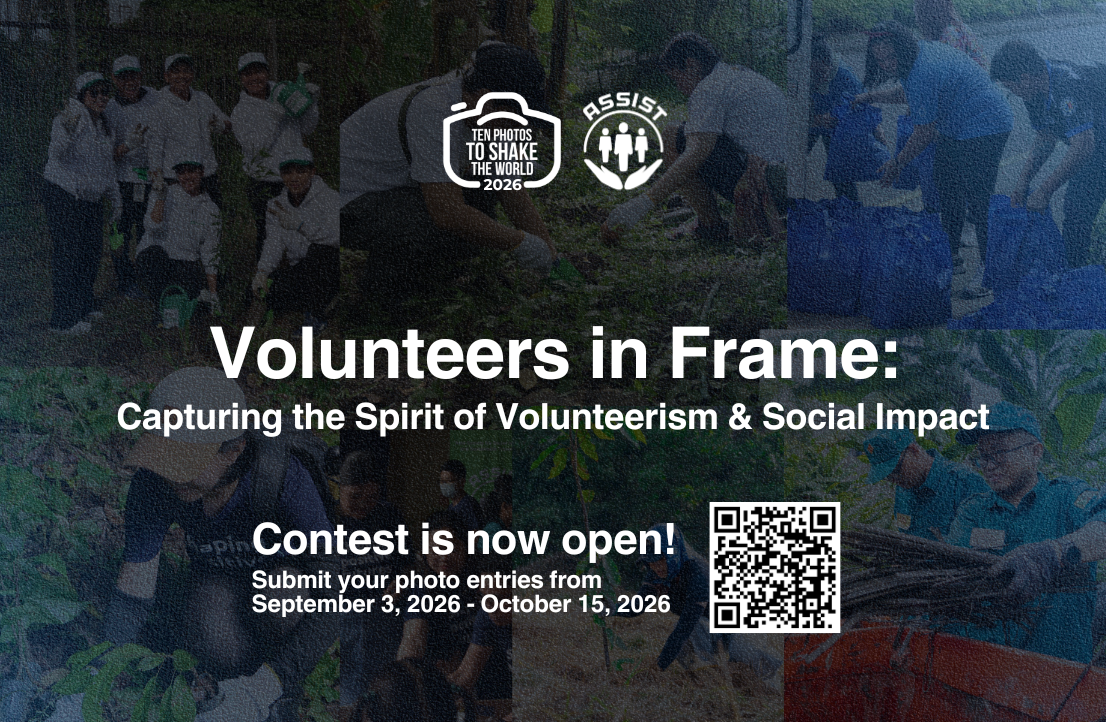
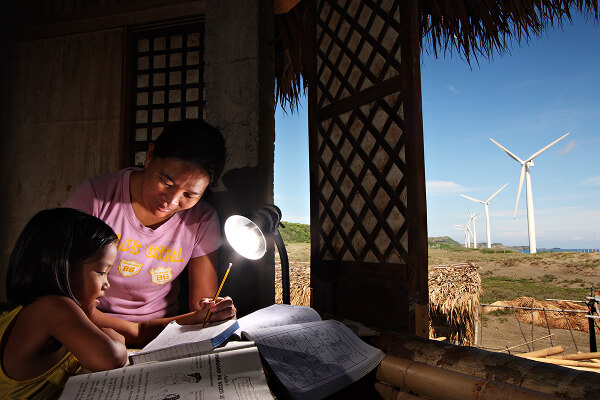
TPSW 2026 — Ten Photos to Shake the World — is back, capturing the spirit of volunteerism and the social impact it creates. We invite amateur and professional photographers alike to capture the raw, unfiltered truth of human dedication.

Across Asia, countless acts of impact unfold every day in complete silence—a newly planted sapling, a quiet moment of mentorship, a town rebuilt from ruin. Yet, the true weight of volunteerism remains largely invisible to the world.

ASSIST is ready to disrupt that silence with the return of Ten Photos to Shake the World (TPSW) 2026. 

Aligned with the UN’s International Volunteer Year 2026, our mission goes beyond mere documentation. While global institutions establish policy, TPSW shifts the lens back to the front lines. We are handing creative control to those on the ground, empowering local communities and storytellers to claim their own narrative.

The contest is open to both amateur and professional photographers residing in the five participating countries: the Philippines, India, Vietnam, Indonesia, and Thailand. Whether you use a DSLR or a smartphone, we invite anyone documenting grassroots impact to participate.

What the contest is looking for

We are looking for photos that document the raw reality of grassroots work. This means capturing volunteerism in all its forms—from the active momentum of community projects to quiet moments of mentorship, shared learning, and genuine human connection. Winning entries reflect the true atmosphere on the ground: candid, meaningful interactions and the steady, everyday effort that drives lasting change. 

How it works

For complete eligibility requirements, photo specification guidelines, and evaluation criteria, please review the full details and contest mechanics: https://tinyurl.com/TPSW2026ContestPrimer

ASSIST Releases 2025 Annual Report: Marking a Year of Structural Growth and Sustained Momentum

We are pleased to announce the release of our 2025 Annual Report, capturing a transformative year of structural growth, strengthened governance, and deeper community connections across South and Southeast Asia.

With the theme Ripples of Impact, the report embodies ASSIST’s core belief in development: when you empower one individual, farmer, or local leader, that single action sends expanding circles of resilience and opportunity outward into the broader community.

This milestone year was deeply shaped by the enduring legacy of Founding Director Sreenivas Narayanan. Sreeni’s vision and lifelong dedication to genuine, generous partnership resonated across every achievement and expanding initiative throughout 2025.

ASSIST_AR2

Impact Driven by Communities

The past year demonstrated how grounded, partnership-led initiatives translate directly into meaningful impact across the region. At its core, ASSIST’s work was about people – strengthening families, empowering local workers, and building resilient communities.

Across 61 projects spanning 83 municipalities, ASSIST directly reached 908,892 individuals and engaged a digital community of 29.2 million.

Powered by 530 cross-sector partners and 3,200 volunteers, these collective efforts brought light and safety to disaster-prone communities with reliable solar energy, opened doors to global sustainable markets for over 57,000 farmers and cooperative members, and equipped 74,645 learners with the skills needed to secure meaningful livelihoods.

Reflecting on this progress, Executive Director Karthik Subburaman noted, “Behind every number is a community that is more capable, more resilient, and better connected to opportunity than it was a year ago. – and a team that made it happen quietly, consistently, and well.”

Growth & Governance

Parallel to this field-level reach, 2025 was equally defined by institutional growth and structural refinement across ASSIST. “Organizationally, 2025 was also a year of growth that matched the ambition of our programs,” Subburaman highlighted. 

Key institutional highlights include ASSIST’s attainment of its ISO 9001:2015 certification for Quality Management Systems, the renewal of its Philippine Council for NGO Certification (PCNC) accreditation, and multiple regional ESG awards that validated its enterprise-led approach to social development.

The Road to 2028

Looking ahead to the organization’s silver jubilee, Subburaman remains clear about the road to 2028: “As we look toward 2028 and ASSIST’s 25th year, the direction is clear: scale what works, deepen what matters, and grow the partnerships that amplify it all. The foundation has never been stronger.”

The complete interactive ASSIST 2025 Annual Report, featuring thematic impact breakdowns and financial summaries, is now available to view on the official ASSIST website.

👉 View the ASSIST 2025 Annual Report

IBM Volunteers Plant 1,000 Native Trees at Million Trees, La Mesa

QUEZON CITY, Philippines — On July 25, 2026, 100 volunteers from IBM Philippines gathered at Million Trees in La Mesa, Quezon City, and successfully planted 1,000 native tree saplings—including Narra, Malabulak, and Bignay. Organized in partnership with ASSIST, this initiative directly aids in protecting the water quality of the La Mesa Dam reservoir, regulating water flow, and reducing local air pollution.

The La Mesa Watershed is more than just a patch of greenery on the map. It is the direct lifeline of clean water for millions of residents across Metro Manila. Over the years, soil erosion and forest denudation have threatened the natural strength of these vital catchment areas.

To combat this, ASSIST collaborated with IBM Philippines under the banner of the IBM Stronger Together: Tree Planting campaign, aligning directly with the Million Trees Foundation, Inc. and the Metropolitan Waterworks and Sewerage System (MWSS) Annual Million Trees Challenge.

The driving philosophy of the project was simple: plant the right tree in the right place. While bamboos (Bambusa vulgaris) fortify nearby riverbanks against rapid erosion, indigenous and fruit-bearing species were selected specifically for inland soil stabilization.

Under the morning sun, 100 IBMers gathered with their trowels and gloves to plant native species chosen purposefully to strengthen and sustain the local ecosystem. With every sapling set into the earth, volunteers were laying down a natural defense system for the La Mesa reservoir. These 1,000 native trees will grow to hold soil in place, filter rain runoff, absorb carbon, and safeguard the water source for generations to come.

Real conservation happens when businesses, NGOs, and communities act together. By engaging employees in hands-on environmental restoration, companies like IBM build more than a responsible brand. They protect clean water supplies, build climate resilience, and establish a blueprint for scalable corporate environmental stewardship.

Discover your next impactful CSR campaign with ASSIST. Partner with us today. https://bit.ly/PartnerForProgress

Spaghetti, Skyscrapers, and a Room Full of Curious Kids

BAGUIO CITY, Philippines – Forty-two fifth graders at Springhills Elementary School spent the day putting science and engineering to work, turning simple materials into standing skyscrapers and density experiments.

As the third leg of the STEM LEAP program, the hands-on workshop is part of an ongoing commitment by Texas Instruments and ASSIST to build early curiosity and practical skills in science, technology, engineering, arts, and math for young learners across the Philippines.

STEM LEAP (STEM Learning and Application through Play) introduces primary students to core technical concepts through interactive, play-based challenges. Built on a three-stage pathway—Excite, Explore, Experience—the initiative aims to spark early interest in STEM fields and help children carry those skills forward toward real-world applications.

Two hands-on challenges anchored the day’s activities: the Density Tower and the Spaghetti Skyscraper Challenge.

In the Density Tower exercise, pupils poured liquids of varying weights into clear containers, watching in real time as the fluids settled into distinct layers rather than blending together. Curiosity took over as several students experimented with different pouring techniques, testing whether they could create distinct layers without mixing the liquids.

The Spaghetti Skyscraper Challenge brought a wave of noisy, energetic collaboration to the room. Equipped with limited bundles of raw spaghetti and marshmallows, teams worked against the clock to design freestanding structures. While some towers stood tall, others buckled under their own weight—forcing teams to analyze what went wrong. It was a direct lesson in the scientific method: iteration, trial, and learning to view failure not as a setback, but as valuable data.

Throughout the session, volunteers from Texas Instruments moved between tables, guiding the teams through problems rather than solving them outright. Engr. Mc Zinsser Bagcal, one of the TI mentors, shared his personal journey into the engineering field with the students. Admitting he didn’t have his future mapped out at their age, Bagcal explained that he was simply a curious kid who enjoyed figuring out how things worked—a habit that eventually developed into a fulfilling career. He encouraged the pupils to protect that instinctual curiosity and seize every opportunity to learn.

Science isn’t meant to live on a whiteboard. By letting the Springhills Elementary pupils physically test out complex engineering concepts, the session turned intimidating subjects into accessible, confidence-boosting play.

More than a fun afternoon, the event highlights what effective CSR looks like in practice. The ongoing partnership between ASSIST and Texas Instruments shows the power of aligning corporate capabilities with grass-roots community needs to create lasting social value. By showing up with their time, expertise, and encouragement, private-sector partners do more than write a check. They build institutional capacity, open clear pathways for skills development, and create repeatable frameworks that non-profits can scale across underserved regions.

Elevate your organization’s CSR impact with programs like EXCITE STEAM LEAP. Explore partnerships with ASSIST https://bit.ly/PartnerForProgress

Thank you for subscribing for the news letter