
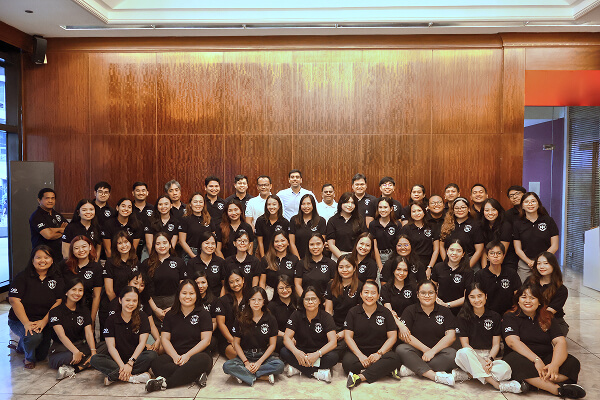
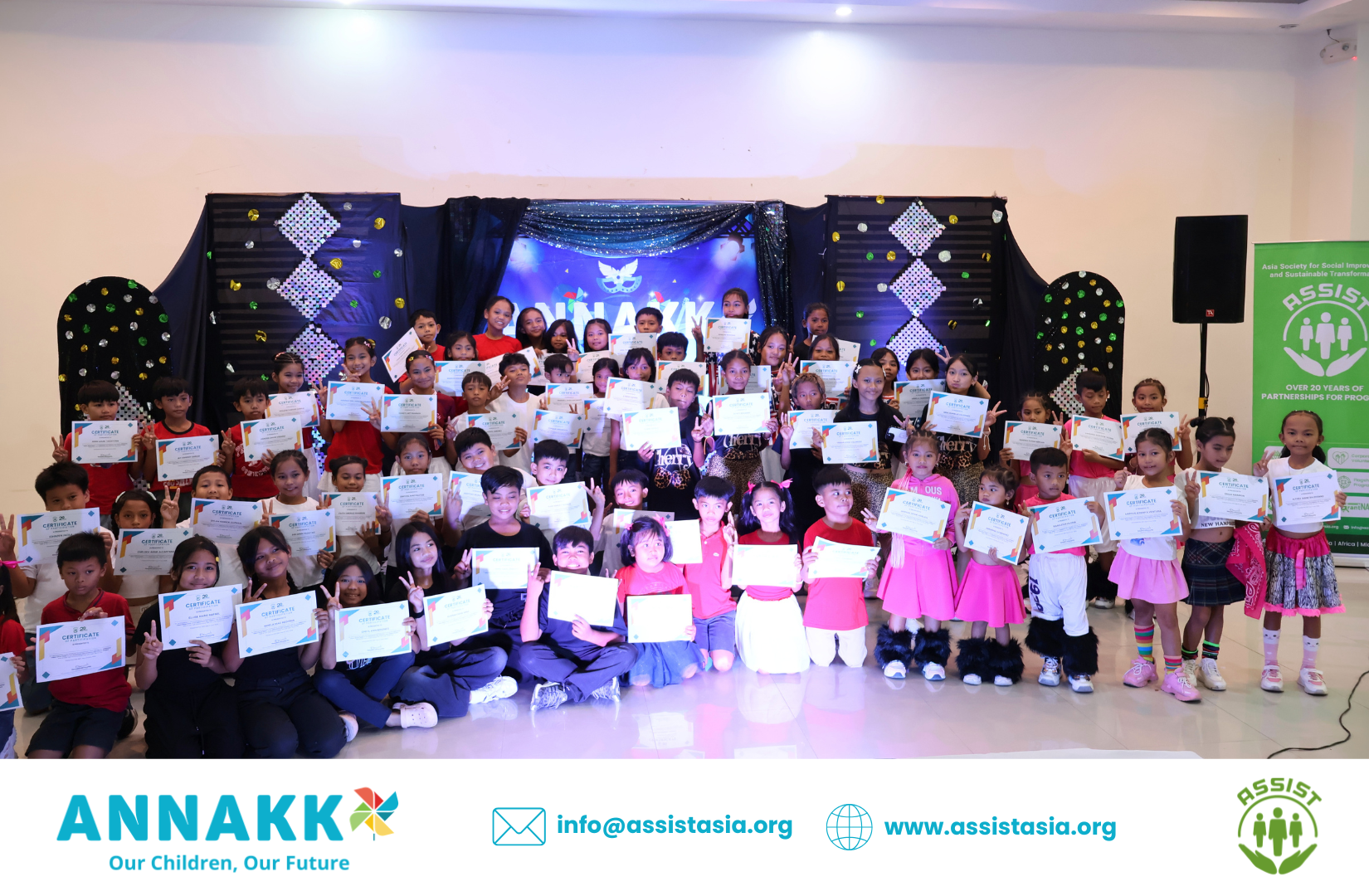
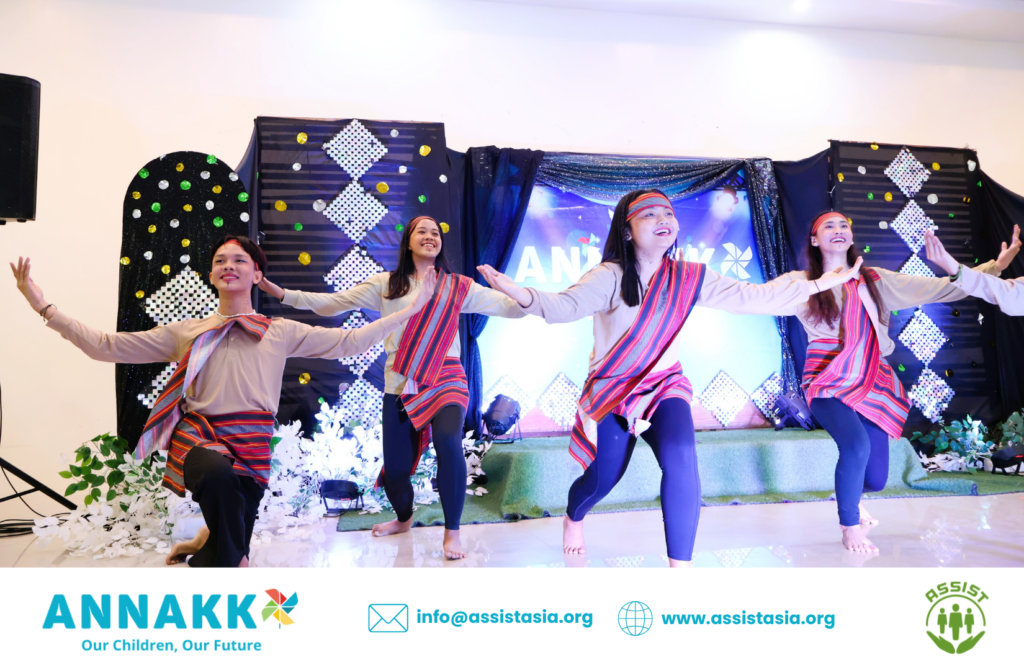
Twenty children from public elementary and high schools in San Juan, Ilocos Sur performed on stage on June 28, part of the ANNAKKO Talent Show 2026 — a program built around a simple premise: children who spend their time learning, playing, and performing are children who aren’t spending that time working in the fields.
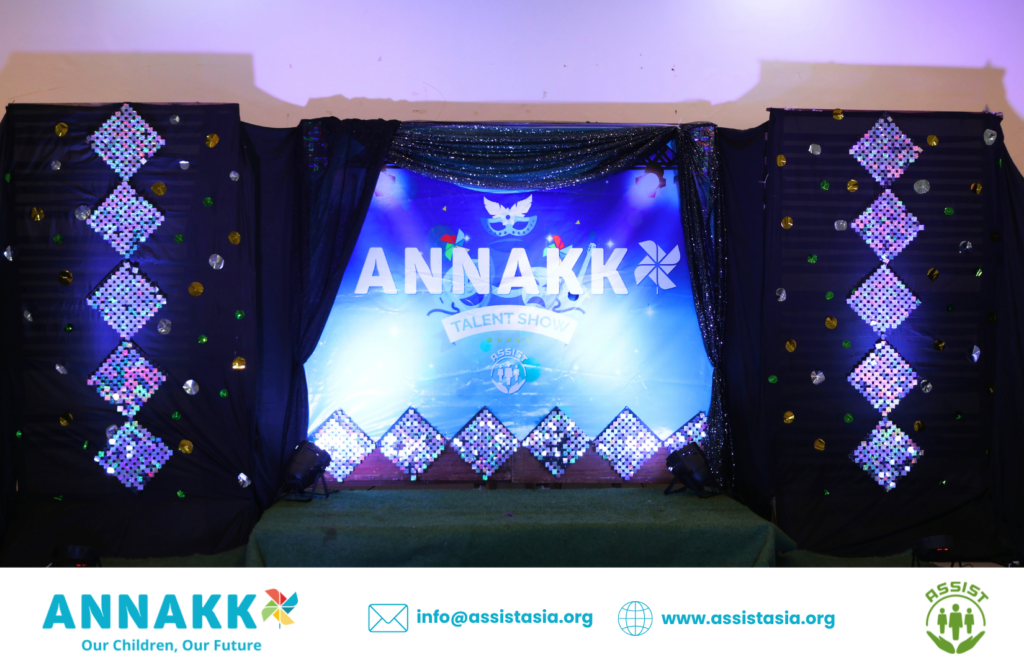
The event is one stop in ANNAKKO Year 3: Our Children, Our Future, a 12-month program launched in November 2025 to prevent child labor across farming communities in Ilocos Sur by strengthening the systems around children — families, schools, and local support networks. Over its run, the program aims to reach 1,500 children, 500 parents, and 100 educators through activities that include a Children’s Rights Parade, digital literacy workshops, and summer leadership camps.
The Talent Show, which held its first leg in Narvacan earlier this year, is designed to give children something more immediate: a stage, an audience, and a reason to be celebrated for something other than survival.
The event, co-organized with the Rotaract Club of Magsingal North Ilocos Sur, Trans-Manila, Inc. and Universal Leaf Philippines, Inc, opened with a short talk on child labor. The message was direct: every child has the right to learn and grow in an environment that protects them, not one that puts them to work. What followed gave that message a stage of its own — performances where children, and the families watching them, got to show what these kids can do when given the room to try.
Understanding the Mission Behind ANNAKKO
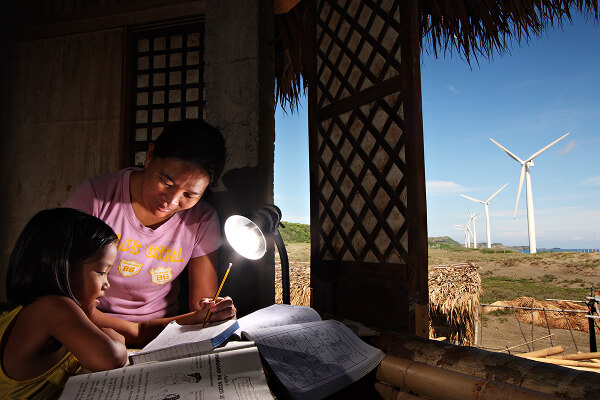
ANNAKKO stands as ASSIST’s response to the prevalence of child labor in small-scale farming communities. In many rural settings, families rely on unpaid household labor—including their children—just to keep agricultural operations afloat. However, ANNAKKO draws a vital line between child work and child labor. Light, age-appropriate tasks can build character and skills without harm. Child labor, by contrast, steals a child’s education, health, and future—a risk that runs especially high in informal farm settings.
Grounded in the UN Convention on the Rights of the Child, ANNAKKO works alongside farming families to safeguard these young lives, ensuring that every child’s right to play, learn, and grow remains protected.
To date, the initiative’s community-centered approach has delivered tangible regional impact:
- 1,500+ children protected and engaged
- 500 parents and caregivers empowered
- 100 educators and community leaders trained
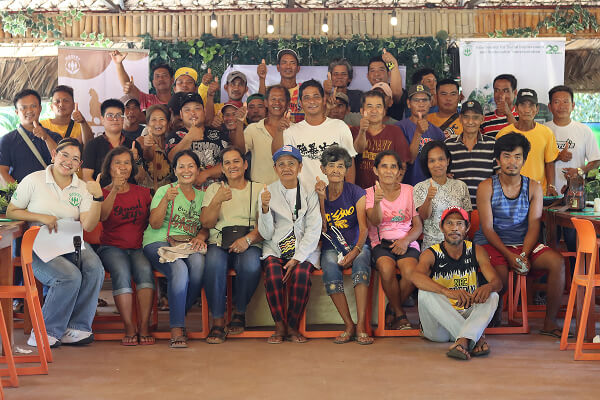
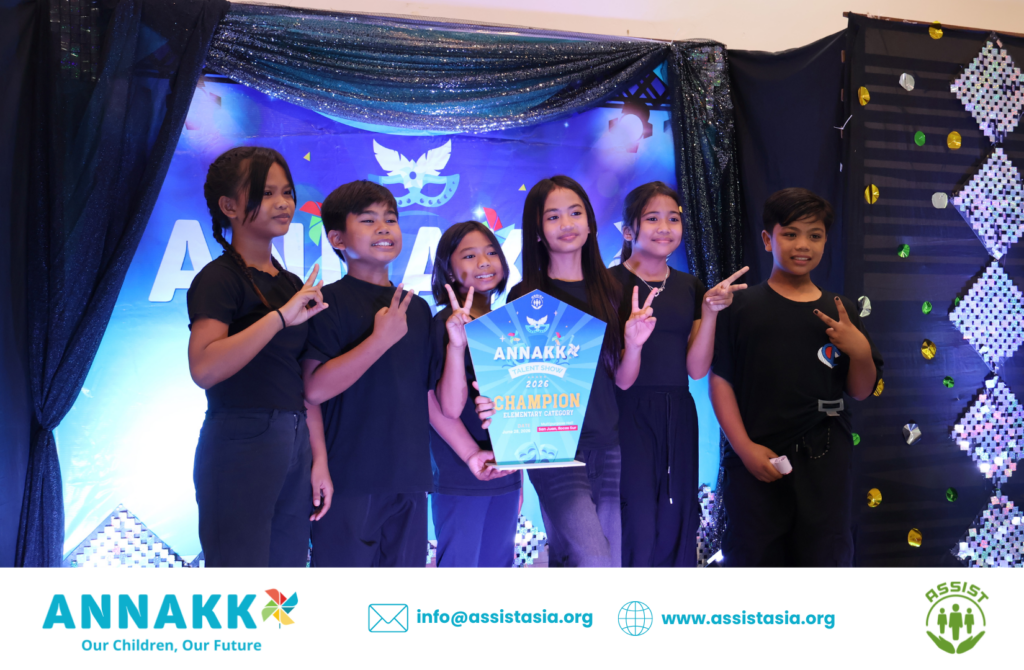
Events like the Narvacan Talent Show give children space to simply be children. On stage, young performers shared their creativity and passion with an enthusiastic crowd. Outstanding acts across the Elementary and High School divisions were recognized with plaques and cash prizes, surrounded by cheers from parents, teachers, and peers who gathered to celebrate their potential.
Beyond the Stage
ANNAKKO’s broader goal doesn’t end with an afternoon of performances. It continues in the classrooms, homes, and communities the program works year-round – the places where families are actually deciding, day to day, whether their children go on the field or stay in school.
Highlighting the core driving force behind this work, Francis Macatulad, ASSIST’s Director for Business Development, emphasized:
“Our children are our future. As the leaders of tomorrow, children deserve the opportunities to learn, play and experience childhood away from the demands and hazards of child labor. ANNAKKO (‘My children’ in Ilocano) was designed to raise awareness among the youth on children’s rights and the importance of education.”
While the talent show offered a platform for creative expression, it represents just one facet of a multi-pronged community approach. “The program also organizes various enjoyable but empowering activities that build their knowledge and skills, such as leadership training, disaster resiliency games, summer camps, self-defense classes, talent shows, and art competitions,” he explained.
Programs like ANNAKKO are proof that community-led initiatives can rewrite the future for children in agriculture. By combining advocacy with creative outlets, we are helping build communities where every child’s right to education and play is protected.
“ASSIST is proud to uphold children’s rights and contribute to child labor protection among small-holder farming communities in Region 1,” Macatulad added, “and we hope to expand our impact to other parts of the Philippines.”
Help us bring this vision to more farming communities across the Philippines. Share this story to raise awareness about child rights and collaborate with us on upcoming field activities and youth interventions. To partner with us, fill out this Partnerships Form or visit assistasia.org to know more.

